Quels bonus propose Nine Casino en 2026 et qu
Nine Casino s'impose en 2026 comme une plateforme de je...
Field teams are the backbone of many businesses, from sales representatives in Dhaka to delivery drivers in Chittagong and service technicians in rural Sylhet. Their productivity directly affects revenue, customer satisfaction, and operational efficiency. Traditionally, managers rely on manual reports or phone calls, which often lead to miscommunication, delays, and inefficient resource use. A missed client visit or a delivery delay can translate to lost revenue and frustrated customers, especially in Bangladesh’s traffic-heavy and connectivity-challenged environment.
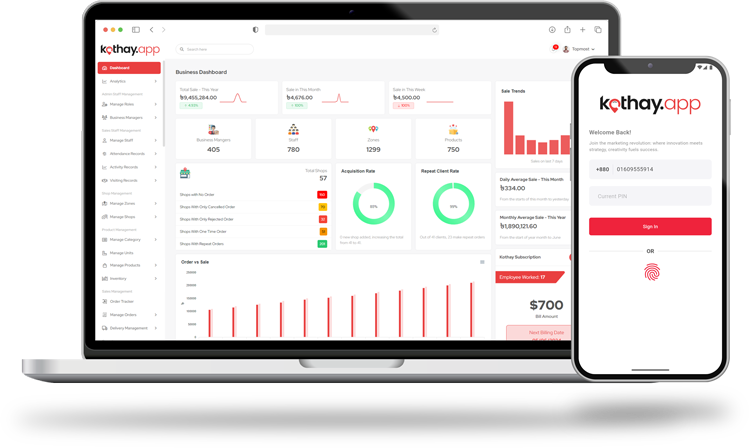
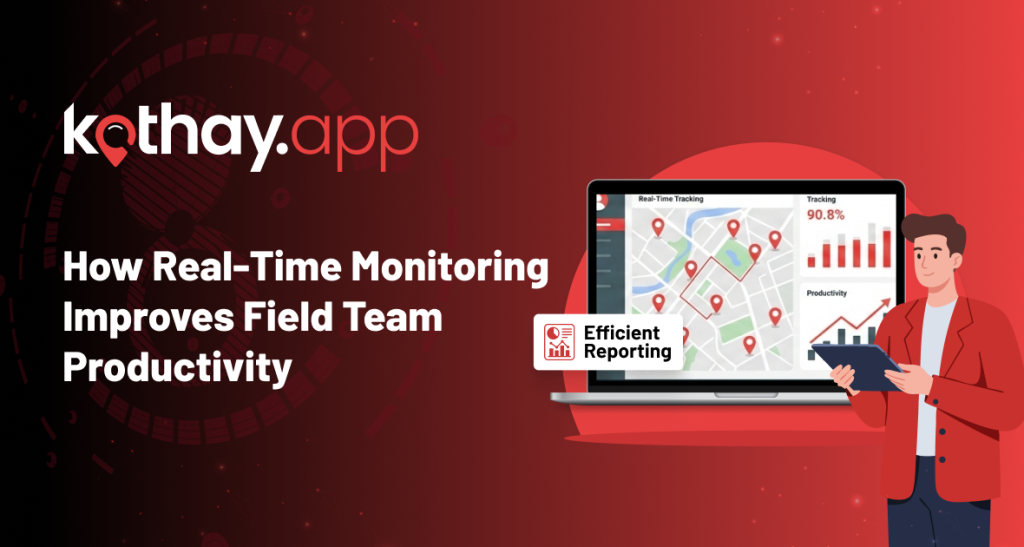
Real-time monitoring offers a transformative solution. Platforms like Kothay.app provide live GPS tracking, geo-fenced zone management, attendance logging, order management, and performance analytics through an easy-to-use mobile app. This technology allows managers to see exactly where field staff are, monitor task completion, and optimize routes instantly.
Businesses using Kothay have reported significant improvements in efficiency, task completion, and customer acquisition. The platform’s features, such as real-time check-ins, shop visit monitoring, and automated performance reports, eliminate guesswork, improve accountability, and empower field teams to perform better. By integrating zone management and product analytics, managers can allocate resources strategically and make data-driven decisions in real time.
In essence, real-time monitoring shifts field management from reactive to proactive. It reduces idle time, ensures timely deliveries, increases employee engagement, and enhances overall operational efficiency. For companies in Bangladesh looking to modernize their field operations, Kothay.app offers a reliable, mobile-first solution to boost productivity and streamline business processes.
Real-time monitoring refers to the continuous, instantaneous collection and analysis of data on field team activities using connected devices and software. Unlike traditional periodic reporting, where updates arrive hours or days later, real-time systems deliver live insights every second, enabling immediate action. Think of it as having a virtual command center that shows exactly where each team member is, what they’re doing, and how they’re performing, all accessible from a smartphone or laptop.
Key types of real-time monitoring include:
These are powered by a mix of technologies: GPS satellites and mobile apps for location and input, IoT sensors for equipment or vehicle status, cloud platforms for secure data storage and syncing, and increasingly AI for predictive alerts. Kothay.app, for instance, combines all the real-time GPS, geo-fencing to enforce zones, offline mode for rural Bangladesh’s spotty internet, and admin dashboards with sales, staff, and product analytics.
The critical difference from periodic reporting is visibility and speed. End-of-day reports hide problems until it’s too late; real-time monitoring turns managers proactive, assigning a nearby rep to an urgent delivery or coaching a rep straying off-route instantly. Businesses are shifting from reactive (fixing issues after complaints) to proactive field management because delays cost money and customers. In Bangladesh, where a single traffic jam in Dhaka can derail an entire day’s schedule, this shift is essential for staying competitive.
Without live oversight, field operations suffer from chronic visibility gaps. Managers have no idea if a sales rep is actually at a client outlet or stuck in traffic, or worse, fabricating reports. Delays cascade: a late delivery frustrates customers, idle technicians waste billable hours, and poor route planning burns unnecessary fuel.
Miscommunication reigns supreme. Phone calls or WhatsApp updates get lost in translation; instructions are missed; urgent escalations go unnoticed. Verifying completed tasks or locations becomes guesswork, relying on self-reported photos or signatures that can be faked. Resource allocation suffers: one rep might be overloaded while another idles nearby. Accountability erodes when performance can’t be measured objectively, leading to demotivation and inconsistent results.
Real-world data underscores the pain. U.S. field service contractors alone lose $30–40 billion annually in labor waste from waiting time, rework, poor coordination, and unproductive hours, figures that scale proportionally in markets like Bangladesh. Poor communication costs businesses $26,000 per employee per year globally through duplicated efforts and missed deadlines. In field sales, manual reporting can consume 50% of a rep’s time, while inconsistent visits leave outlets underserved.
Delayed responses hit customer satisfaction hardest. A 2024 Forbes analysis notes that without real-time data, scheduling inefficiencies and slow responses drive higher costs and lost loyalty. In Bangladesh’s FMCG sector, where competition is fierce and rural coverage matters, these issues translate to lost orders and eroded market share. Without monitoring, businesses operate blindly, reacting to problems instead of preventing them.
Real-time monitoring delivers measurable gains across multiple dimensions.
Improved Productivity: It slashes idle time and unnecessary trips through optimized routing and instant task reallocation. Field teams focus on high-priority activities rather than hunting for directions or waiting for instructions. Industry benchmarks show 20–40% productivity uplifts with GPS fleet tracking, plus 10–25% fuel savings from reduced idling and smarter routes.
Enhanced Accountability: Managers see task completion live; employees know their efforts are visible and fairly measured. This motivates performance.app users report 80% gains in accountability through automated logs and geo-verified check-ins.
Better Communication: Instant updates eliminate errors from missed calls or outdated info. A rep in the field gets real-time guidance; the office sees live progress.
Optimized Resource Management: Live insights enable dynamic allocation, closest rep to a job, balanced workloads, and efficient scheduling. Route planning alone can cut travel time by 15–30% and boost on-time arrivals to 98%.
Data-Driven Decision Making: Live analytics reveal bottlenecks (e.g., low-conversion zones) instantly, allowing process tweaks on the fly.
Examples abound. In logistics, real-time tracking reduces delays dramatically. Field sales teams (like FMCG reps) see more visits per day. Service businesses achieve higher first-time fix rates. Measurable metrics include: 20% more daily visits, 50% less reporting time, and significant revenue lifts as seen in Kothay pilots, where outlet coverage rose 15% and monthly sales grew 8%.
Delivery and Logistics: Drivers are tracked live; routes are optimized around traffic. Delays drop, fuel costs fall. Kothay.app’s geo-fencing ensures deliveries stay in assigned zones.
Sales Teams: Territory monitoring, client visit logs, and order placement with photo proof. In Bangladesh FMCG, Kothay increased visits by 20% (from 15 to 18 per day) and conversion from 40% to 45% for a 50-rep team, adding substantial monthly revenue.
Maintenance & Service Teams: Technicians log arrivals and resolutions live. Urgent jobs reroute instantly; parts needed are flagged early.
Construction & Field Projects: On-site progress tracked via mobile check-ins and IoT sensors. Productivity dashboards highlight delays.
Mini case studies: A Bangladesh dairy brand piloting Kothay saw 10% more outlets visited daily and 8% monthly sales growth. Broader industry examples show 20% service cost reductions and 25% higher first-time fixes with similar systems. Kothay.app applies seamlessly in offline mode for rural areas, a Bengali-friendly interface, and integrations tailored for local distributors and pharma teams.
Contrary to fears of “Big Brother” surveillance, well-implemented monitoring supports rather than controls. Clear expectations reduce confusion; transparent tracking builds trustemployees see fair evaluation based on data, not favoritism. Recognition via leaderboards or real-time rewards (e.g., bonuses for targets hit) boosts motivation.
Psychologically, it replaces micromanagement with empowerment: reps get instant help instead of waiting for calls. Stress from mismanagement drops. A 2026 survey of 1,000 field workers found many appreciate GPS for verifiable records that protect them in disputes and clarify hours worked.
Results include higher retention, better morale (15% motivation boost reported with Kothay), and lower turnover, which is critical in Bangladesh’s competitive job market.
Real-time monitoring isn’t magic; it’s smart technology working seamlessly together to keep field teams efficient and accountable. At its core:
Kothay.app combines all these technologies in a single, mobile-first platform designed for Bangladesh. Its geo-fencing and zone management ensure teams are exactly where they should be, while automated reports save hours of manual work. The app’s low-data usage and offline capability mean even non-tech-savvy teams in rural or low-connectivity areas can adopt it quickly, boosting efficiency from day one.
Implementing real-time monitoring doesn’t have to be complicated. With the right approach, SMEs and field-heavy businesses can boost productivity without creating resistance among teams. Here’s how:
Start Small:
Begin with a pilot team and focus on key KPIs. Test GPS tracking, task logging, and reporting before scaling.
Train Thoroughly:
Short, practical sessions on the mobile app help staff understand how to use the tools effectively. Hands-on learning beats long theory sessions.
Communicate Benefits Clearly:
Explain that real-time monitoring is about support and efficiency not surveillance. Emphasize how it helps employees complete tasks faster and reduces unnecessary stress.
Use Data Constructively:
Review dashboards and reports to coach, guide, and improve performance rather than punish mistakes. This builds trust and engagement.
Avoid Common Pitfalls:
Poor training, confusing metrics, or punitive data usage can create resistance. Plan carefully to prevent these issues.
Step-by-Step for SMEs:
By following these steps, businesses can make real-time monitoring a tool for empowerment, improving field productivity while keeping teams motivated and accountable.
Implementing real-time monitoring often raises questions or fears, but many of these concerns are based on myths:
Managers who implement real-time monitoring report faster decision-making, improved accountability, and happier, more motivated employees. By addressing these misconceptions upfront, businesses can adopt technology smoothly and reap the full benefits of smarter field operations.
The future of field team management is smarter, faster, and more predictive. Technology is moving beyond simple GPS tracking to AI-driven insights, automation, and connected devices that anticipate problems before they happen.
Kothay.app is already aligning with these trends. Its roadmap focuses on expanding AI insights, deeper analytics, and seamless integrations for Bangladesh businesses, ensuring field teams stay efficient, safe, and ahead of the competition.
Real-time monitoring drives productivity, accountability, seamless communication, and genuine employee engagement. In today’s fast-paced operations, it’s no longer optional; it’s the edge for growth. Businesses in Bangladesh and beyond should adopt proven tools like Kothay.app to track, manage, and optimize field teams effortlessly.
Visit kothay.app today, start a free trial or schedule a demo, and transform your field operations into a competitive advantage. Efficiency isn’t luck it’s live data in action.
Nine Casino s'impose en 2026 comme une plateforme de je...
En tant que SEO-copieur expert avec plus de dix ans dan...

Consumer goods companies in Bangladesh, covering ...
Sign up now to simplify your sales operations, improve productivity, and make data-driven decisions. Choose your plan, add your team, and unlock the full potential of your sales strategy. Don’t wait – elevate your sales management game and drive success with us!
Get Started