Cosmetic Brands in Bangladesh

The cosmetics industry in Bangladesh is growing rapidly, with a market valued at roughly Tk 25,000 crore (USD 2.1 billion) and annual growth of around 5%. Local brands like Square Toiletries, ACI Consumer Brands, and Keya Cosmetics, alongside international names such as Unilever and L’Oréal, serve consumers through vast retail networks across all 64 districts. Field sales representatives and merchandisers are central to this distribution, ensuring proper shelf placement, monitoring stock levels, tracking competitors, and maintaining brand visibility in urban centers.

Traditional manual tracking methods, such as paper diaries, WhatsApp updates, and verbal reports, often result in missed visits, unverified store coverage, and delayed insights. Cosmetic companies struggle to maintain display compliance, monitor inventory accurately, and prevent counterfeit products, which can harm both revenue and brand reputation.

Kothay.app, a Bangladesh-built digital solution, addresses these challenges with real-time GPS tracking, geo-fenced zone management, digital check-ins with photo proof, route optimization, and automated performance reporting. By replacing manual methods with verifiable, actionable data, brands can achieve full retail coverage, improve sales productivity, and protect brand integrity.

Importance of Retail Visits in the Cosmetics Industry

Retail store visits are the lifeline of success for cosmetic brands in Bangladesh. Unlike online-only businesses, cosmetics thrive on physical presence, consumers want to see colors, test textures, and receive advice before buying.

Key objectives of every retail visit include:

  • Ensuring product availability: Preventing stock-outs of high-demand items like face creams, lipsticks, or fairness serums, especially during festive seasons (Eid, Pohela Boishakh) when demand spikes.
  • Monitoring product displays and branding: Achieving prime shelf space and attractive visual merchandising. In a category driven by impulse, poor placement means lost sales.
  • Building relationships with retailers: Personal connections encourage retailers to prioritize one brand over competitors and provide honest feedback on what’s selling.
  • Collecting orders and restocking: Field teams often handle secondary sales, immediate restocking, and promotion execution.
  • Understanding customer demand and feedback: Noting trends (halal-certified products, natural ingredients, men’s grooming surge) and competitor activity on the ground.

Regular, well-planned visits strengthen distribution networks and boost visibility. According to industry insights, urban areas currently account for about one-third of total cosmetics consumption, but rural markets are growing rapidly. Effective retail visits help brands penetrate deeper into districts where super shops are scarce, and small retailers dominate.

Challenges Cosmetic Brands Face Without Retail Visit Tracking

Despite rapid growth, many cosmetic companies still rely on outdated manual systems. Sales representatives submit handwritten reports or send photos via WhatsApp at the end of the day, creating several critical problems.

Missed store visits by sales representatives: In a country with 64 districts and unpredictable traffic or weather, it’s easy for reps to skip distant or low-priority outlets. Rural stores in districts like Khagrachhari or Moulvibazar often receive irregular attention.

Lack of real-time visibility into field activities: Head office managers in Dhaka have no idea whether a merchandiser in Sylhet or Barishal is actually at the assigned store or taking unplanned breaks.

Difficulty verifying store visits: Without proof, brands cannot confirm that displays were set up correctly or that promotional materials were placed. Fake visits and inflated reports become common.

Delayed sales reporting: Order data reaches management days later, making it impossible to respond quickly to stock shortages or sudden demand shifts (e.g., a new shade of lipstick going viral on TikTok).

Poor coordination between field teams and management: Price changes, new promotions, or urgent restocking instructions take time to reach everyone, especially in remote districts with poor network coverage.

These issues directly translate into lost sales, weak brand presence, dissatisfied retailers, and higher counterfeit infiltration. In an industry where 70% of the market is held by multinationals with strong distribution muscle, local and mid-sized brands cannot afford such inefficiencies.

Digital Retail Visit Tracking Solutions

Modern field management platforms have revolutionized how cosmetic brands operate. Instead of paper and phone calls, teams use mobile apps that combine GPS, photo verification, and cloud dashboards.

Key features that cosmetic companies now demand include:

  • GPS-based location tracking for live oversight.
  • Digital visit check-ins that record exact time, location, and duration.
  • Automated visit logging with mandatory photo uploads (shelf display, stock levels, competitor products).
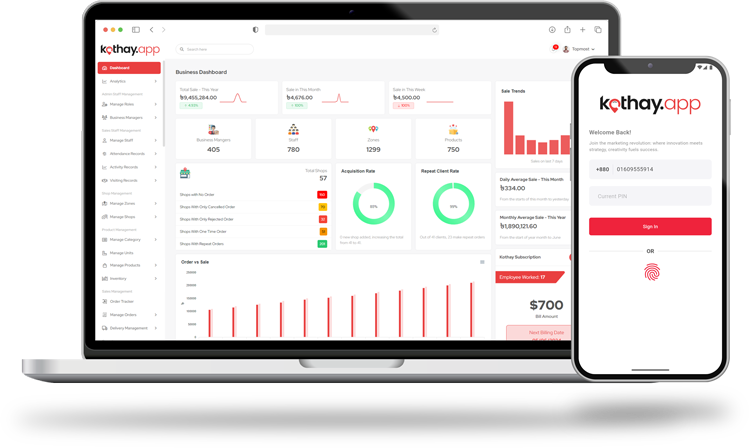
  • Real-time reporting dashboards accessible from any device.
  • Mobile-first apps designed for Android phones are commonly used by field staff in Bangladesh.

These tools bring transparency and accuracy to retail operations. Managers can instantly see coverage heat maps across districts, identify under-visited areas, and measure actual productivity rather than relying on self-reported numbers. For cosmetics, where visual merchandising and counterfeit prevention are critical, photo-verified visits ensure compliance and protect brand equity.

Real-Time GPS Tracking of Field Sales Teams

GPS tracking gives cosmetic brands unprecedented control over their field force. Managers can view every representative’s live location on a map, complete with route history and time spent at each outlet.

Benefits

  • Immediate visibility: See exactly where merchandisers are working at any moment.
  • Visit verification using precise location data tied to store coordinates.
  • Higher accountability and productivity, field teams know movements are monitored.
  • Faster intervention when issues arise (stock emergency in a key Dhaka store or sudden demand in Rajshahi).

Kothay.app Feature

Kothay.app delivers powerful real-time GPS tracking tailored for Bangladeshi field conditions. Managers see live maps showing every sales representative and merchandiser across districts. Geo-fencing creates virtual boundaries around retail clusters or individual stores, triggering alerts if someone enters or leaves an assigned zone.

Digital Check-In for Retail Visits

Digital check-in has emerged as the gold standard for verifying retail presence in the cosmetics sector, allowing sales representatives to perform GPS-verified store check-ins, capture timestamps, visit duration, and optional photos of displays or invoices, ensuring accurate, tamper-proof records while supporting merchandising compliance and early detection of counterfeit products.

How it works

When a representative reaches a store, they open the mobile app and perform a GPS-verified check-in. The system automatically captures location, timestamp, and visit duration. Optional photo uploads (shelf display before/after, invoice, or competitor products) provide visual proof. Some platforms even allow quick notes on stock levels or retailer feedback during the same check-in.

Benefits

  • Completely eliminates false or exaggerated reporting.
  • Creates accurate, tamper-proof visit records for audits and performance reviews.
  • Enables managers to monitor daily and weekly retail coverage across all 64 districts.
  • Supports compliance with brand merchandising standards (correct placement of new lipstick ranges or promotional stands).

For cosmetic brands fighting counterfeits, digital check-ins with photos serve as early warning systems, and merchandisers can instantly report suspicious fake products on nearby shelves.

Retail Visit Reporting and Data Collection

Every store visit provides valuable insights that drive smarter business decisions, capturing information on product availability, sales performance, competitor activity, promotional execution, and retailer feedback, helping cosmetic brands optimize operations, improve coverage, and respond quickly to market trends.

Examples of data collected during visits

  • Product availability and stock levels (critical for fast-moving items like face wash or hair oil).
  • Sales performance of specific SKUs, which lipstick shade or cream is moving fastest?
  • Competitor presence (new launches by rivals or better shelf space grabbed by another brand).
  • Retailer feedback on pricing, demand trends, or customer preferences.
  • Visual evidence of display quality and promotional execution.

Digital platforms turn this information into instant, centralized data. Instead of waiting for weekly Excel sheets, managers receive real-time updates and can run analytics on product performance by district, store type, or representative.

Route Planning and Territory Management

Retail outlets in Bangladesh are spread across bustling urban markets, rural bazaars, and district towns, making travel time-consuming and inefficient for merchandisers. Without smart route planning and territory management, field staff spend excessive hours commuting, miss potential store visits, and struggle to maintain balanced coverage, ultimately affecting sales performance and operational efficiency.

Route optimization helps

  • Cut unnecessary travel time and fuel costs dramatically.
  • Increase the average number of stores visited per day (some brands achieve 10–15% more outlets).
  • Ensure balanced coverage, no district or cluster is neglected.
  • Improve work-life balance for field staff who often travel long distances.

Kothay.app Advantage

Kothay.app’s beat planning and route optimization module uses Google Maps integration to suggest the most efficient daily routes based on assigned stores, traffic conditions, and opening hours. Managers define territories digitally with geo-fencing, and representatives receive turn-by-turn navigation directly in the app.

Sales Performance Monitoring

Retail visit tracking and sales performance are inseparable. Every verified visit directly influences orders, stock movement, and revenue.

Key metrics businesses can track

  • Number of successful store visits per day/week per representative.
  • Orders collected and conversion rates from visits.
  • Sales value generated by territory, product category, or individual rep.
  • Product demand trends and seasonal patterns.
  • Display compliance rates and merchandising scores.

With digital tools, managers gain district-wise dashboards showing which areas are performing well and which need intervention. A brand can instantly identify that a new foundation range is selling strongly in Chattogram but lagging in Khulna, then reallocate merchandisers or promotions accordingly.

Improving Communication Between Field Teams and Managers

In a multi-district operation, even the best strategies can fail if communication gaps exist. Digital tools enable instant task assignment, real-time updates from the field, quick problem resolution, broadcast announcements, and two-way feedback, keeping sales representatives aligned with head office priorities while improving efficiency, accountability, and team morale.

Digital communication tools allow

  • Instant task assignment (e.g., “Launch new lipstick display in all Dhaka outlets today”).
  • Real-time updates from the field (stock shortages, competitor moves, or customer complaints).
  • Quick problem resolution without requiring staff to return to the office.
  • Broadcast announcements for price changes or promotional campaigns.

Representatives receive push notifications on their phones and can acknowledge tasks or upload proof of execution. This two-way flow keeps field teams aligned with head office priorities and boosts morale through timely recognition of good work.

How Kothay.app Helps Cosmetic Brands in Bangladesh

Kothay.app is a locally developed platform that helps cosmetic brands in Bangladesh manage field operations efficiently. It enables real-time tracking of sales representatives, verifies shop visits, ensures product availability, and optimizes routes for better retail coverage.

Key capabilities include

  • Real-time GPS tracking and live mapping with geo-fencing for district and store-level control.
  • Digital retail visit logging with GPS check-in, photo proof, and offline functionality.
  • Intelligent route planning and territory management to maximize daily coverage.
  • Powerful sales performance analytics and customizable dashboards.
  • Task management and instant communication tools for field teams.
  • Automated attendance, reporting (sales, visit, order, and return reports), and activity analytics.

The platform works seamlessly on affordable Android phones and includes a web dashboard for managers. Features like offline mode and lightweight design make it ideal for rural districts with poor connectivity. Cosmetic brands using Kothay.app gain complete transparency into field activities, dramatically improved retail coverage, reduced counterfeit risks through verified visits, and data-driven decision making that drives higher sales and stronger retailer relationships.

Future Trends in Retail Visit Tracking

Technology is rapidly transforming retail operations for cosmetic brands, enabling AI-powered sales forecasting, mobile-first field management, automated audits, real-time analytics, and seamless CRM and inventory integration, helping companies make smarter decisions, expand retail coverage, and maintain quality across Bangladesh.

Emerging trends

  • AI-powered sales forecasting that predicts demand by store or district.
  • Mobile-first field management platforms with advanced offline capabilities.
  • Automated retail audit systems that use photos and AI to score display compliance.
  • Real-time data analytics combined with predictive insights.
  • Seamless integration with CRM, inventory, and ERP systems for end-to-end visibility.

As Bangladesh’s cosmetics market grows toward greater rural penetration and higher premium segments, these innovations will help brands make faster, smarter decisions and scale their retail networks more effectively while maintaining quality and authenticity.

Conclusion

Retail visits remain the cornerstone of success for cosmetic brands in Bangladesh. They ensure product availability, drive visual merchandising, build retailer loyalty, and provide the on-ground intelligence needed to compete in a dynamic, counterfeit-prone market.

Manual systems create inefficiencies, visibility gaps, and missed opportunities that no growing brand can afford. Digital solutions like Kothay.app transform field operations with real-time tracking, verified visit records, optimized routing, performance analytics, and seamless communication all in one affordable platform built for Bangladeshi conditions.

By adopting modern retail visit tracking tools, cosmetic companies can boost daily productivity, strengthen distribution across all 64 districts, reduce losses from counterfeits and stock issues, and accelerate sales growth. Track, verify, and sell get started with Kothay.app today!

Share This Article

Related Post

সেলস রিপ্রেজেন্টেটিভ

আপনার সেলস রিপ্র�

সেলস রিপ্রেজেন্টেটি...

ডিজিটাল লোন এজেন্ট ট্র্যাকিং

মোবাইল পেমেন্ট ও

বাংলাদেশে ফিনটেক সে�...

distribution businesses in Bangladesh

Efficient Sales Representative Tracking for D

Distribution businesses in Bangladesh, spanning FMCG, p...

Leave a Comment