Why Field Sales Teams Need Real-Time Tracking
Field sales teams are the frontline force for many busi...
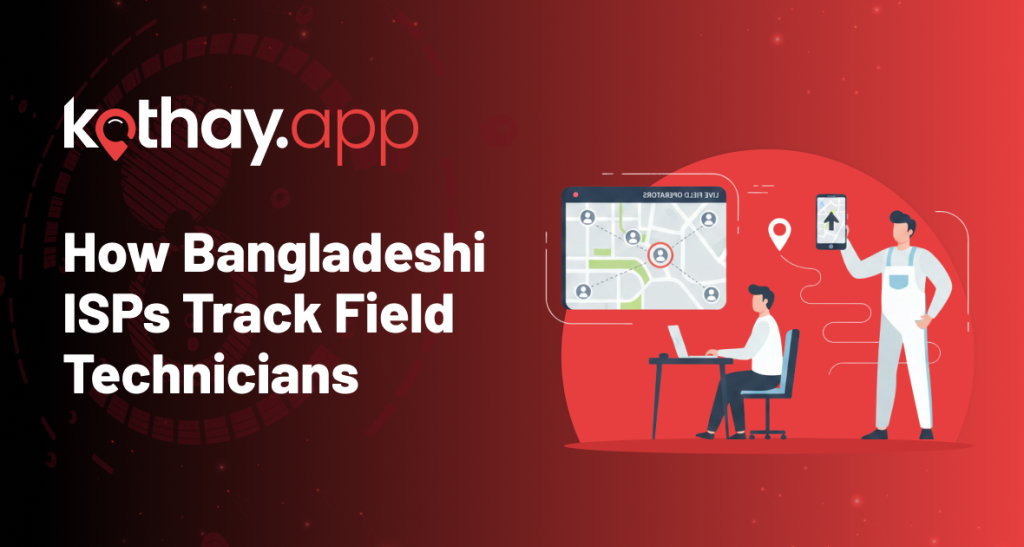
Internet Service Providers in Bangladesh manage a rapidly growing user base, with over 130 million internet subscribers across mobile and broadband services. As demand for reliable, high-speed connectivity expands in both urban and rural areas, ISPs must efficiently coordinate field technicians responsible for installations, maintenance, and troubleshooting.
Managing technicians across different districts can be challenging. Many still rely on manual methods such as phone calls, paperwork orders, or spreadsheets to track field activities. These outdated approaches often lead to missed appointments, inefficient routes, delayed reporting, and ultimately dissatisfied customers.
Modern technician tracking tools solve these problems by providing real-time visibility into field operations. With GPS-based monitoring, managers can see technician locations, assign tasks instantly, and optimize routes to reduce travel time. Digital work orders and automated reporting also help streamline operations and ensure faster issue resolution.
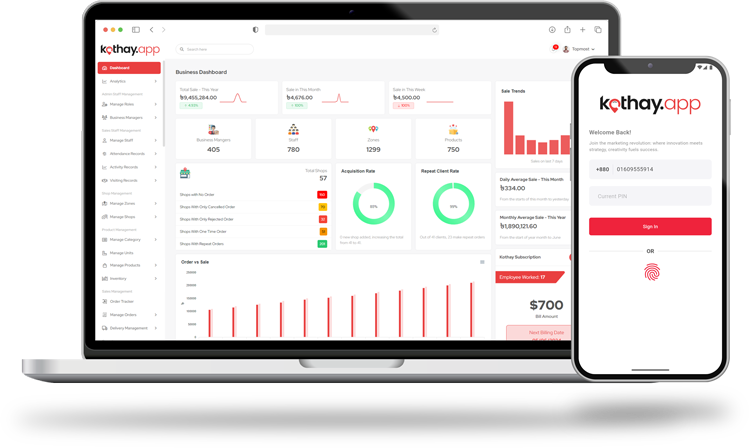
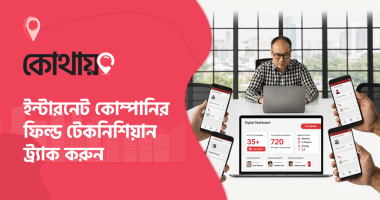
Platforms like Kothay.app offer a practical solution for Bangladeshi ISPs. The mobile-first system provides real-time GPS tracking, route monitoring, digital job management, and offline functionality for areas with limited connectivity. By using tools like Kothay.app, ISPs can improve service efficiency, respond faster to outages, and manage their technician workforce more effectively across the country.
Field technicians are the frontline of every ISP operation. They bridge the gap between network infrastructure and end customers, ensuring promised speeds and uptime become reality.
Key Responsibilities include:
In Bangladesh, technicians often handle 8–15 jobs daily, covering urban apartments in Dhaka as well as distant villages where roads are poor and power supply unreliable. With mobile internet dominating (over 115 million subscribers) and fixed broadband growing rapidly, the volume of service calls has surged. Timely technician deployment directly impacts customer retention in a competitive market where users switch providers quickly over poor service.
Without effective tracking, even skilled technicians become bottlenecks, leading to delayed installations, repeated visits, and lost revenue.
ISPs in Bangladesh operate in one of the most demanding environments in South Asia. Urban traffic congestion, rural infrastructure gaps, and explosive subscriber growth create unique hurdles.
Common Operational Challenges include:
These issues directly hurt customer satisfaction (complaints about slow installations are common), increase operational costs, and reduce service reliability. During peak demand periods or after network upgrades, the pressure intensifies, and manual systems simply cannot scale.
Field technician tracking uses GPS-enabled mobile apps and cloud-based software to monitor technicians’ locations, movements, and activities in real time. Technicians install a simple app on their Android phones; managers access a web or mobile dashboard.
Key Features include:
By tracking technicians live, ISPs can dispatch the nearest available person, provide accurate ETAs to customers, reduce travel time, and generate proof of service. In rural Bangladesh, offline mode ensures tracking continues even without constant internet, with data syncing automatically when connectivity returns.
The best tools are mobile-first, offline-capable, and built for field realities. Here are the must-have features:
Real-Time GPS Tracking
Effective technician tracking tools provide live GPS location monitoring during working hours. Managers can see where each technician is on a real-time map, ensuring they are at the correct job site. This visibility helps respond quickly to urgent service calls, improves accountability, and builds customer trust through reliable service delivery.
Route Optimization
Smart route optimization automatically calculates the fastest and most efficient paths for technicians handling multiple jobs daily. By considering distance, traffic conditions, and job priorities, businesses can significantly reduce travel time. This often leads to 15–30% savings in travel costs while allowing technicians to complete more service visits in a single day.
Task & Work Order Management
Digital task and work order management allows managers to assign jobs directly to technicians through a mobile app. Each task can include customer details, instructions, images, and notes. Technicians receive clear guidance on their phones while managers track real-time progress without needing constant calls or manual updates.
Attendance and Check-In
Geo-verified attendance and check-ins automatically record when technicians arrive at job locations. This ensures accurate work-hour tracking and provides proof that service visits actually occurred. It also reduces disputes about missed appointments and improves transparency between technicians, managers, and customers.
Reporting & Analytics
Advanced reporting dashboards provide insights into key performance indicators such as job completion rates, service time per task, and first-time fix success. Managers can easily identify top-performing technicians, detect operational bottlenecks, and plan better workforce allocation to improve overall service efficiency.
Kothay.app excels here with Bangladesh-specific strengths: full offline support, geo-fencing for territories, digital work orders, and simple Bengali-friendly interface perfect for technicians who may not be highly tech-savvy.
Modern tracking delivers measurable gains that directly impact the bottom line:
Improved Service Efficiency
Technician tracking systems help ISPs manage field operations more efficiently by enabling optimized routes and real-time job dispatching. Technicians can complete more installations and service visits each day, reducing delays and clearing backlogs faster. This improves overall operational efficiency and ensures customers receive timely technical support.
Better Accountability
With GPS-based tracking and geo-verified check-ins, managers can confirm when technicians arrive at job sites and how long they stay. This reduces the risk of missed visits, ghost activities, or unauthorized breaks. Automated tracking ensures accurate reporting of working hours and increases transparency across the entire service team.
Enhanced Customer Satisfaction
When technicians arrive on time and resolve issues quickly, customer satisfaction improves significantly. Tracking systems allow businesses to provide accurate ETAs through SMS or messaging platforms, helping customers know exactly when to expect service. Faster response times and reliable service experiences lead to stronger customer loyalty and retention.
Cost Reduction
Route optimization and better technician deployment help reduce fuel consumption and travel costs. By assigning jobs more efficiently, companies can handle the same number of service requests with fewer resources. This leads to lower operational expenses while maintaining or even improving service quality.
Data-Driven Decision Making
Tracking platforms provide valuable operational data that managers can use to make smarter decisions. Insights from dashboards help identify high-demand areas, plan technician schedules, and forecast workforce needs during peak service periods, network expansions, or seasonal demand spikes.
ISPs using such tools often see 20–40% more jobs completed daily, lower operational costs, and improved Net Promoter Scores.
Telecom and ISP Companies
Major operators like Grameenphone, Banglalink, Robi, and smaller fiber ISPs use tracking to manage large technician fleets. Real-time visibility ensures efficient coverage of both dense urban areas and remote villages where mobile internet dominates.
Maintenance and Emergency Response
During outages or after storms, managers dispatch the closest technician instantly. Live tracking guarantees the fastest response to high-priority issues, minimizing downtime for thousands of users.
Customer Support Integration
Technician location data feeds into customer apps or call centers, providing accurate ETAs and live updates, turning frustrated callers into satisfied customers.
In practice, ISPs report dramatically reduced average resolution times and higher first-time fix rates after implementing GPS tracking.
Adoption is not without hurdles, especially in Bangladesh’s diverse environment:
Employee Resistance
Some technicians may initially feel uncomfortable with GPS tracking, assuming it is meant for strict surveillance. To address this, businesses should communicate clearly that tracking improves safety, fair workload distribution, and performance incentives. When employees understand the benefits, acceptance and cooperation increase significantly.
Training Requirements
Field technicians need basic guidance to confidently use mobile tracking apps. Simple, hands-on training sessions and easy-to-follow instructions help staff quickly learn how to check in, update job status, and manage tasks through their smartphones, ensuring smooth adoption and consistent usage.
Technology Adoption
Implementing technician tracking may require integration with existing systems such as CRM, helpdesk, or ticketing platforms. While this requires careful planning and setup, the long-term benefits, such as centralized data, streamlined workflows, and better operational control, make the investment worthwhile.
Connectivity Limitations
In many rural or remote areas of Bangladesh, internet connectivity can be inconsistent. Field tracking tools that support offline functionality ensure technicians can still record visits, tasks, and updates without an active connection, with data automatically syncing once network access becomes available.
Successful ISPs follow these steps:
Start with a pilot in one division (e.g., Dhaka or a rural district) to demonstrate quick wins before full rollout. Most ISPs achieve full adoption and ROI within 3–6 months.
Kothay.app is purpose-built for Bangladeshi field operations and works exceptionally well for ISP technician teams.
Key Capabilities include:
These features help ISPs reduce delays, improve customer service, and manage field operations efficiently. Technicians get clear daily tasks and easy check-ins; managers gain complete visibility without constant calls. Early users in similar field service sectors report faster job completion, lower fuel costs, and higher customer satisfaction, exactly what ISPs need in a market serving 130 million internet users.
The technology is advancing rapidly:
Emerging Trends include:
As 5G and fiber networks expand in Bangladesh, these innovations will help ISPs scale while maintaining world-class service quality.
For Internet Service Providers in Bangladesh, efficient technician management is critical to delivering reliable service in a fast-growing market. Manual coordination methods can no longer keep up with the demands of installations, maintenance, and outage resolution across busy cities and remote rural areas.
Modern GPS tracking platforms like Kothay.app give ISPs real-time visibility of technician locations, smarter task allocation, route optimization, and performance insights, all designed for Bangladesh’s real-world field conditions. This means faster service, lower operational costs, and happier customers.
If you want to improve technician productivity and service reliability, start using Kothay.app today. Register for a free trial and see how real-time tracking can help your ISP operate faster, smarter, and more efficiently.
Field sales teams are the frontline force for many busi...
Sign up now to simplify your sales operations, improve productivity, and make data-driven decisions. Choose your plan, add your team, and unlock the full potential of your sales strategy. Don’t wait – elevate your sales management game and drive success with us!
Get Started