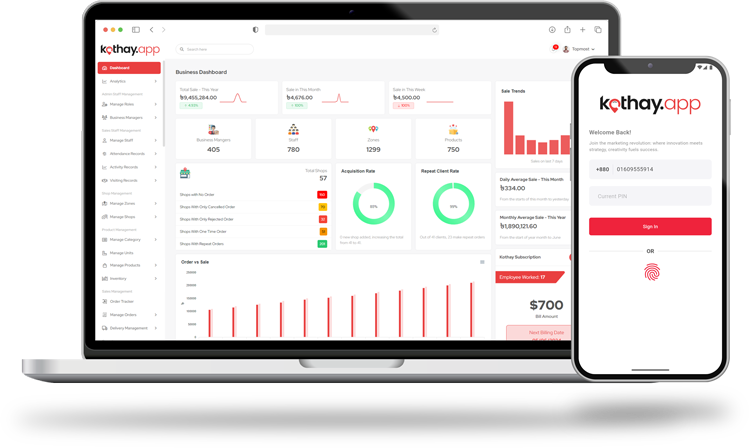
ডিস্ট্রিবিউশন ব�
ডিস্ট্রিবিউশন ব্যবস...
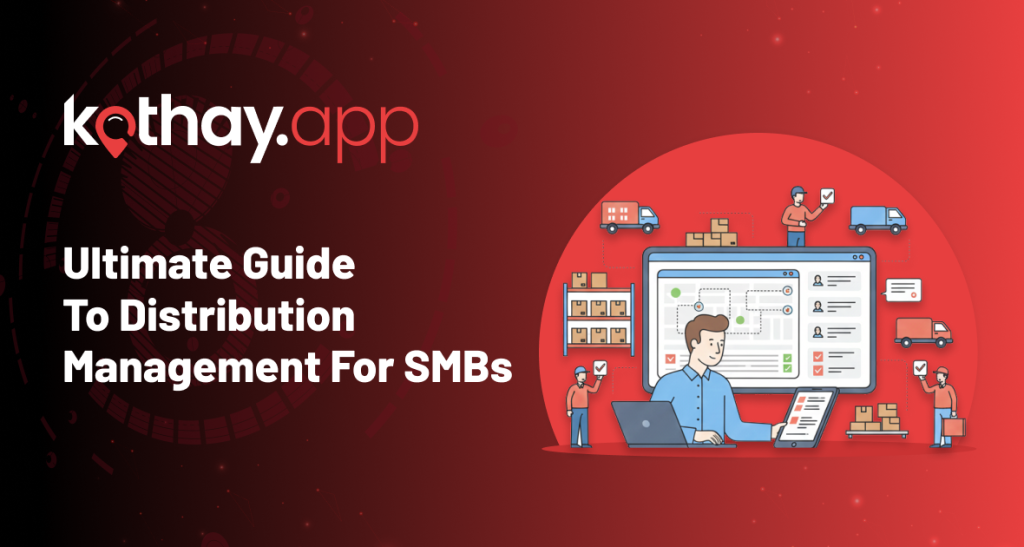
For small and medium businesses in Bangladesh, managing distribution efficiently can make or break growth. Traditional methods such as spreadsheets, phone calls, and handwritten ledgers often lead to delays, errors, and blind spots, especially when managing large networks of distributors and field sales teams. A modern Distribution Management System (DMS) solves these issues by centralizing order management, inventory tracking, and field team monitoring.
Kothay.app is a locally developed, mobile-first platform tailored for Bangladeshi SMBs. It provides real-time GPS tracking, geo-fencing, beat planning, offline order capture, and detailed performance dashboards. Managers can monitor staff locations, attendance, shop visits, and order progress from a single control panel. At the same time, field teams can submit orders, track deliveries, and manage tasks efficiently even in areas with limited connectivity.
By implementing Kothay.app, SMBs can reduce operational errors, optimize sales routes, improve outlet coverage, and gain actionable insights for faster decision-making. Whether in FMCG, pharmaceuticals, or consumer goods, this DMS empowers businesses to scale operations, boost sales efficiency, and achieve sustainable growth in Bangladesh’s competitive market.
A Distribution Management System (DMS), also known as a Distributor Management System, is a comprehensive software platform that manages the end-to-end flow of products from manufacturers or central warehouses through distributors, wholesalers, retailers, and finally to customers. It serves as a single digital command center, replacing fragmented tools with real-time synchronization across the entire distribution network.
Unlike basic inventory software or Excel sheets, a true DMS connects every stakeholder brand owners, distributors, sales reps, and even retailer son one platform. It handles primary sales (manufacturer to distributor), secondary sales (distributor to retailer), and sometimes tertiary sales (retailer to end consumer).
Core functions of a DMS include:
Why it matters: In a country like Bangladesh, where traditional trade (kirana stores, rural outlets) still dominates 95%+ of retail and traffic congestion can double delivery times, a DMS provides the centralized visibility and automation that manual systems simply cannot deliver. It turns distribution from a cost center into a growth engine by enabling data-driven decisions, reducing errors, and improving coordination across the supply chain.
SMBs in Bangladesh often experience rapid early growth. A new FMCG brand can expand from 2 to 20 districts in a year, but distribution quickly becomes the bottleneck. Owners juggle multiple roles, field reps operate with limited oversight, and distributors complain about delayed stock or unclear targets.
Common problems SMBs face:
A DMS solves these by automating operations, improving coordination between manufacturers, distributors, and field teams, and delivering accurate real-time insights. For an SMB with 10–50 field reps, this can mean visiting 10–20% more outlets daily, cutting administrative time by 50%, and achieving measurable sales growth within months.
Modern DMS platforms, especially those built for emerging markets like Bangladesh, are mobile-first, offline-capable, and affordable. Here are the must-have features:
Inventory Management
Order Management
Distributor & Dealer Management
Sales Team Tracking
Route & Delivery Management
Reporting & Analytics
Platforms like Kothay.app excel here with Bangladesh-specific features: full offline mode for rural areas, Bengali-friendly UI, geo-fencing, beat planning, and integrated order-to-delivery workflows.
Implementing a DMS delivers transformative, measurable benefits tailored to resource-constrained SMBs:
Improved Operational Efficiency
Automation eliminates manual data entry and paperwork. Reps spend more time selling and less time reporting, often saving 2–3 hours daily. Overall operational efficiency can rise by 30–40%.
Better Sales Performance
Sales teams focus on selling instead of administration. Real-time route optimization and visit planning allow 10–20% more outlets covered per day. In Kothay.app pilots with Bangladeshi FMCG brands, reps achieved 10% more daily visits and 8% monthly sales growth.
Real-Time Business Visibility
Managers and owners get live dashboards showing stock levels, sales trends, rep locations, and distributor performance, even on their phone while traveling. No more waiting for end-of-month reports.
Stronger Distributor Relationships
Transparent performance data, timely stock updates, and easy order placement build trust. Distributors feel supported rather than monitored, leading to higher loyalty and better sell-through.
Cost Reduction
Optimized routes cut fuel and logistics expenses (often 15–25% savings). Better inventory control reduces wastage and carrying costs. Overall, SMBs report 20–35% lower distribution-related operational expenses.
These benefits compound: a typical Bangladeshi SMB distributor with 25 reps can see payback within 3–6 months through higher sales, lower costs, and freed-up management time.
FMCG Businesses
Manage hundreds of SKUs across thousands of retail outlets. Kothay.app enables real-time tracking of product movement, secondary sales capture, and promotion compliance. Distributors can monitor stock at outlets and prevent stockouts during peak seasons like Eid or Pohela Boishakh.
Pharmaceutical Companies
Strict regulatory requirements make real-time stock visibility and batch tracking essential. DMS ensures medicines reach pharmacies on time with expiry alerts, maintaining compliance and patient safety while reducing returns.
Electronics & Consumer Goods
Higher-value items require careful credit management and demo stock tracking. DMS coordinates deliveries across urban and rural locations, tracks warranties, and provides performance insights for territory expansion.
Agricultural Product Distributors
Rural-focused SMBs face the biggest connectivity challenges. Offline-capable systems like Kothay.app allow reps to record fertilizer or seed orders in remote areas, syncing later. Route optimization across districts ensures timely supply during planting seasons.
In every case, businesses report faster sales cycles, higher outlet coverage, and reduced complaints compared to traditional methods.
Despite clear advantages, adoption can face hurdles:
Initial setup costs: Small businesses worry about software fees and device requirements (though affordable SaaS like Kothay starts at low per-user monthly rates).
Resistance to change: Field reps and distributors used to paper-based freedom may see tracking as intrusive.
Training requirements: Staff need time to learn the app, especially older or less tech-savvy team members.
Internet connectivity issues: Rural Bangladesh still faces network gaps and power outages.
These are common worldwide but particularly relevant in Bangladesh’s diverse geography. The good news? Modern solutions address them directly
Not all DMS are equal. Evaluate these factors:
Ease of use: Intuitive mobile interface with Bengali support.
Mobile compatibility and offline mode: Essential for field teams operating without constant internet.
Scalability: Starts small but grows with your distributor network and territories.
Integration with existing tools: Links with accounting software, ERP, or bKash for seamless payments.
Customer support: Local, responsive support (critical for Bangladeshi businesses).
Why mobile-first solutions matter: Most distribution activity happens outside the office in traffic-clogged Dhaka streets or remote haats. A phone-based system lets reps capture orders instantly and managers monitor from anywhere.
Kothay.app stands out for SMBs because it was built in Bangladesh for Bangladeshi challenges: full offline functionality, geo-fencing for zone enforcement, affordable pricing, and dedicated local support.
Follow these proven steps:
Businesses that treat implementation as a change-management project (not just software installation) achieve 90%+ adoption rates and full ROI within months.
The DMS landscape is evolving rapidly:
AI-powered demand forecasting: Machine learning analyzes sales history, weather, festivals, and market trends to predict stock needs with 20–50% higher accuracy.
Real-time field tracking and automated reporting: Instant notifications for low stock or missed visits via WhatsApp/SMS.
Integration with CRM and ERP systems: A single platform for sales, inventory, finance, and logistics.
Mobile-based distribution platforms: Fully offline-capable, voice-enabled apps optimized for rural users.
Gamification and incentives: Leaderboards and rewards inside the app to motivate sales teams.
In 2026 and beyond, SMBs adopting these trends will outpace competitors, turning distribution into a true competitive advantage.
Kothay.app is a prime example of a modern, Bangladesh-tailored DMS that goes beyond basic tracking to deliver full distribution management.
Key capabilities include:
This allows SMBs to manage their entire distribution network with transparency and efficiency. A Sylhet-based FMCG distributor using Kothay reported 98% on-time deliveries, 46% faster order processing, and a 60% drop in customer complaints. Small dairy/snack brands saw reps cover 10% more outlets daily and achieve 8% monthly sales growth. Productivity gains of up to 37% have been documented across users.
For Bangladeshi SMBs, Kothay.app’s local development means Bengali support, affordable pricing, and understanding of unique challenges like rural connectivity and traffic.
Distribution efficiency is critical for sustainable business growth. Manual processes limit scalability, create costly inefficiencies, and prevent SMBs from competing effectively in Bangladesh’s dynamic market.
A Distribution Management System provides the automation, real-time visibility, and data-driven decision-making needed to overcome these limitations. From better inventory control and faster order processing to optimized routes and stronger distributor relationships, the benefits are immediate and compounding.
The time to act is now. Evaluate your current distribution pain points, pilot a modern DMS in one area, and watch your sales efficiency, coverage, and profitability soar.
Explore Kothay.app today and take the first step toward building a scalable, future-ready distribution network that drives faster growth for your business.

Retailers and wholesalers today operate in a fast-movin...

Sign up now to simplify your sales operations, improve productivity, and make data-driven decisions. Choose your plan, add your team, and unlock the full potential of your sales strategy. Don’t wait – elevate your sales management game and drive success with us!
Get Started