Promo code vavada
Vavada promo kodi labākajiem piedāvājumiem ...
In Bangladesh’s distributors sales sector, efficiency and coordination are essential for growth. Many distributors still depend on manual reporting, phone calls, and spreadsheets to manage sales teams, orders, and retailer visits. These traditional methods often cause delayed reporting, a lack of visibility in field operations, and missed sales opportunities.
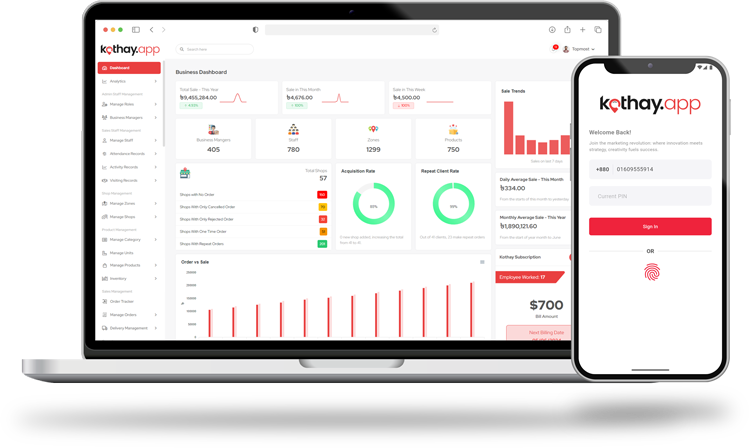
Technology platforms like Kothay.app are helping distributors modernize their operations. Built for field sales and distribution teams in Bangladesh, Kothay.app allows managers to track sales representatives through GPS-based check-ins and real-time location updates. This ensures that field teams visit the right outlets and follow their assigned routes effectively.
The platform also enables sales representatives to capture orders directly from retailers using a mobile app, even in low-network areas. Once connected to the internet, the data automatically syncs with the system, reducing paperwork and reporting delays.
With real-time dashboards and performance insights, distributors can monitor sales activity, evaluate team performance, and make faster decisions. By using tools like Kothay.app, distributors can improve outlet coverage, reduce operational inefficiencies, and ultimately increase sales efficiency in Bangladesh’s competitive market.
Distributors are the vital link ensuring products move seamlessly from factories to retailers and ultimately to consumers. Their core responsibilities include:
In FMCG (e.g., snacks, dairy, personal care from companies like Unilever or local players), distributors handle high-volume, low-margin products with frequent restocking needs. In pharmaceuticals, they ensure critical drugs reach pharmacies and hospitals with strict temperature controls and regulatory compliance.
Consumer electronics distributors manage higher-value items like mobiles and appliances, requiring careful credit control and demo stock tracking. Agricultural product distributors (fertilizers, seeds, pesticides) operate extensively in rural areas, serving wholesalers and farmers across flood-prone or remote districts.
Bangladesh-specific challenges amplify these responsibilities. Severe traffic congestion in Dhaka and on major highways causes frequent delays sometimes stranding trucks for hours and inflating logistics costs.
Poor demand forecasting leads to either lost sales (when stockouts occur during peak seasons) or wastage (overstocking perishables). Manual record-keeping with paper ledgers or basic Excel sheets introduces errors, delays in reporting to manufacturers, and limited visibility for performance monitoring.
Rural infrastructure gaps further complicate last-mile delivery, while political or seasonal disruptions (e.g., floods) add unpredictability.
These inefficiencies have real consequences: missed orders can lead to 10–20% lost revenue opportunities, retailer dissatisfaction erodes loyalty, and distributors miss expansion into underserved territories. Without modern tools, even diligent teams struggle to scale beyond a few districts.
Historically, Bangladesh’s distribution relied on paper-based systems: handwritten order books, phone calls for updates, manual stock counts, and Excel sheets for reporting. Sales reps would visit outlets, note orders on paper, return to the depot for entry, and wait for warehouse confirmation. Route planning was done via maps or experience, with no real-time adjustments for traffic.
The limitations are glaring:
Errors in inventory and sales reporting: Manual data entry leads to discrepancies, wrong quantities, duplicated entries, or lost records. A single mistake can cascade into stockouts or excess inventory carrying costs (often 17–56% of total logistics expenses in Bangladesh industries).
Delays in delivery and order confirmation: Updates take hours or days; a rep’s order might not reach the warehouse until evening, delaying next-day dispatch. Port and road congestion exacerbate this, with container dwell times at Chattogram sometimes doubling.
Limited visibility for managers and suppliers: Headquarters or manufacturers have no idea where reps are or which outlets were covered until end-of-day reports. Performance issues go undetected for days.
Difficulty monitoring field sales and distributor performance: No accountability for working hours, visit frequency, or route adherence. Inefficient planning wastes fuel and time. Average truck speeds drop dramatically in congested areas.
Real-world examples abound. An FMCG distributor in Sylhet once faced frequent missed deliveries and customer complaints because orders were delayed between field reps and warehouses.
In rural agricultural distribution, manual forecasting often results in overstock during off-seasons or shortages during planting peaks, leading to lost farmer sales. Electronics distributors report similar issues with credit tracking, causing bad debts.
Modern technology, particularly mobile-first, offline-capable platforms, addresses these pain points head-on. Here’s how key solutions work in the Bangladesh context:
Real-Time Sales Tracking: Apps like Kothay.app use GPS and geo-fencing for verified check-ins at outlets. Managers see live locations, visit logs, and order status on dashboards. This eliminates “ghost visits” and enables immediate intervention.
Inventory Management Software: Cloud or hybrid systems track stock levels across depots and vehicles in real time. Features include automated reordering alerts, batch/lot tracking (critical for pharma), and basic demand forecasting using historical sales data. Integration with sales apps syncs orders instantly, preventing overselling.
Mobile Apps for Field Teams: Reps use smartphones for instant order entry, digital invoices, payment collection, returns recording, and visit logging, even offline. Data syncs when connectivity returns. Beat planning modules assign daily routes with Google Maps integration for optimal sequencing.
CRM Systems: Centralize data on retailers, distributors, and interactions. Track leads, complaints, credit limits, and history to nurture relationships and prioritize high-value outlets.
Analytics & Dashboards: Generate insights on sales performance, territory coverage, product-wise demand, conversion rates, and rep productivity. Weekly/monthly reports export to Excel; alerts notify managers of missed targets or anomalies.
GPS and Route Optimization: Dynamic routing considers real-time traffic (vital in Dhaka or on highways), reducing travel time and fuel use. Geo-fencing ensures reps stay in assigned zones.
These tools are lightweight, affordable (Kothay starts at ৳199.00), and designed for Bangladesh’s mobile-first reality. Many support Bengali interfaces and integrate with local ERP or accounting systems.
Adopting technology delivers measurable gains across multiple dimensions:
Increased Sales Efficiency: Faster order processing (up to 46% quicker via real-time syncing) and optimized routes allow reps to visit more outlets daily, often by +10–20%. In one Bangladeshi dairy/snack brand pilot, reps covered 10% more outlets per day. Reporting time drops by ~50%, freeing reps for selling rather than paperwork. Coordination improves, reducing delays between the field and the warehouse.
Enhanced Growth: Data-driven insights reveal underserved territories for expansion. Dashboards highlight high-performing areas for resource reallocation. One Sylhet FMCG distributor saw 7% productivity boost and confidence in scaling after implementation. Overall sales growth of 8% monthly has been reported in pilots, with outlet coverage rising 15% in similar South Asian cases.
Better Inventory Management: Real-time tracking prevents stockouts (reductions of 20–30% possible with forecasting tools) and overstocking, cutting carrying costs (15–30% savings typical). Demand patterns from order data enable accurate forecasting, reducing losses from expiry (especially pharma and FMCG perishables) and increasing profitability.
Improved Accountability: Live tracking and automated logs ensure transparency, so managers can monitor working hours, visit counts, conversions, and order values. Performance-based incentives become fair and motivating. In the Sylhet case, visibility into field activities jumped 58%, with on-time deliveries rising from 81% to 98% and customer complaints falling ~60%.
Cost Optimization: Route optimization and reduced unnecessary travel cut fuel and logistics expenses (congestion-related savings can reach 7–35% per sector). Streamlined operations lower overtime, error corrections, and manual labor needs. General industry benchmarks show 15–25% labor cost reductions and significant error drops (e.g., order errors down 72% in some FMCG cases).
These benefits compound: a distributor with 25 reps might save hundreds of operational hours weekly while boosting revenue through better coverage and faster cycles. In Bangladesh’s competitive, low-margin environment, even modest 5–10% efficiency gains translate to substantial profit increases and faster market expansion.
Technology adoption is already delivering results across sectors. Here are mini case studies grounded in real implementations:
FMCG Distributors: A leading Sylhet-based FMCG distributor managing 25+ reps struggled with missed deliveries and zero visibility. After implementing Kothay.app, they achieved 98% on-time deliveries (from 81%), 46% faster order processing, and a 60% drop in complaints within three months. Reps log visits and orders on mobile (offline mode crucial for rural routes), syncing instantly to warehouses. Managers use dashboards for zone coverage.
Traditional vs. tech: Pre-tech, daily reports were manual and error-prone; post-tech, real-time data enables same-day adjustments and promotions.
Pharmaceutical Companies: Pharma distributors use ERP-integrated mobile apps and tracking for depot-to-pharmacy flows. With strict regulations and cold-chain needs, real-time stock monitoring prevents expiry losses. Industry 4.0 adoption (around 55% in manufacturing) extends to distribution via GPS for the timely delivery of critical medicines. One benefit: reduced stockouts at pharmacies, ensuring patient access and regulatory compliance. Compared to manual logs, tech cuts reporting delays dramatically, improving coordination with manufacturers.
Consumer Electronics: Distributors coordinate field reps for high-value sales with credit tracking via CRM mobile apps. GPS route optimization handles urban traffic, while inventory software manages demo units and warranties. Result: faster order fulfillment, lower bad debts through real-time credit checks, and expanded retailer networks.
Agricultural Products: Rural wholesalers and distributors face the biggest connectivity challenges. Offline-capable apps allow reps to record orders and stock movements in remote areas (syncing later). GPS helps optimize routes across districts; dashboards track seasonal demand (e.g., fertilizer peaks). This reduces wastage and ensures timely supply to farmers, contrasting sharply with traditional methods where delays could miss planting windows.
In all cases, traditional methods led to opacity and delays; technology brings transparency, speed, and scalability, often with 20–30% better route efficiency and higher sales effectiveness in comparable implementations.
Despite clear benefits, adoption faces hurdles in Bangladesh:
These are not insurmountable. Solutions include:
Many platforms offer affordable tiers and responsive local support, making entry easier for SMEs.
To maximize ROI:
Start small, celebrate quick wins (like faster reporting), and scale. Distributors who follow this approach often see full payback within 3–6 months.
The next wave will accelerate growth:
As Bangladesh’s digital economy grows (with rising smartphone ownership and 4G/5G expansion), these trends will level the playing field, enabling even small distributors to compete nationally and be export-ready.
Technology is transforming how distributors operate in Bangladesh. Instead of relying on manual reports and phone calls, modern platforms like Kothay.app help distributors track sales teams, capture orders instantly, and monitor performance through real-time dashboards. This improves outlet coverage, reduces reporting delays, and increases sales efficiency.
For distributors who want faster growth and better control over field operations, adopting a smart solution like Kothay.app is a practical step toward building a more efficient and scalable distribution network.
Ready to boost your distribution efficiency and grow sales faster? Kothay.app empowers your team with real-time tracking, offline order capture, and actionable insights to streamline operations and improve outlet coverage.
Vavada promo kodi labākajiem piedāvājumiem ...

Consumer goods companies in Bangladesh, covering ...
Nine Casino s'impose en 2026 comme une plateforme de je...
Sign up now to simplify your sales operations, improve productivity, and make data-driven decisions. Choose your plan, add your team, and unlock the full potential of your sales strategy. Don’t wait – elevate your sales management game and drive success with us!
Get Started