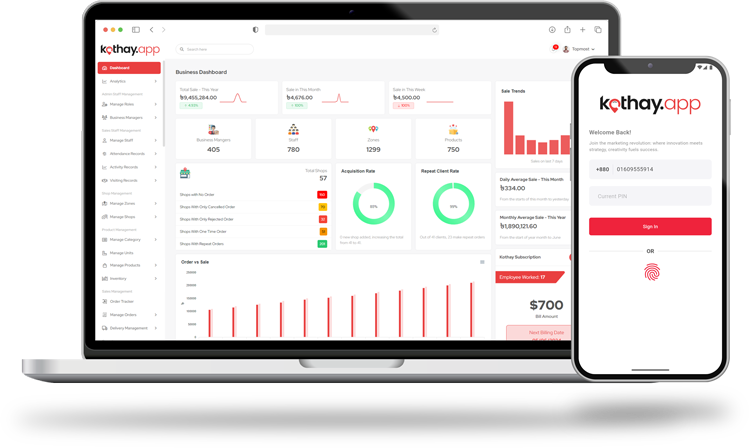
The Ultimate Guide to Distribution Management
For small and medium businesses in Bangladesh, managing...
Delivery management software is an automated system that allows businesses to manage and track delivery-related operations. The platform streamlines all doables in one dashboard to improve work efficiency and customer satisfaction. A delivery management app can offer features like real-time tracking, route optimization, and resource allocation. In short, this AI-powered software helps companies handle the complete journey delivering products from warehouse to customer locations.
Unfortunately, many businesses still struggle with outdated systems. Manual scheduling, paper-based dispatching, inconsistent tracking, and miscommunication between drivers and dispatch teams are just a few of the common issues. These challenges don’t just slow things down — they cost businesses money and reputation.
Our Company – As Kothay is a local company, you are sure to get complete support and facilities from this software. You can always request for a free demo from their site. To get your trial period.

Streamlining delivery operations isn’t just a nice-to-have anymore — it’s a strategic necessity. From local retailers to global distributors, everyone needs to manage fleets, orders, and customer communication efficiently. A well-organized delivery process can drastically cut fuel costs, reduce delays, improve order accuracy, and most importantly, boost customer satisfaction.
Wholesalers and eCommerce businesses, especially, need to handle large volumes of shipments daily. Without a system in place to automate dispatching, track deliveries in real-time, and update inventory seamlessly, chaos ensues. That’s where delivery management software steps in — transforming manual chaos into digital control.
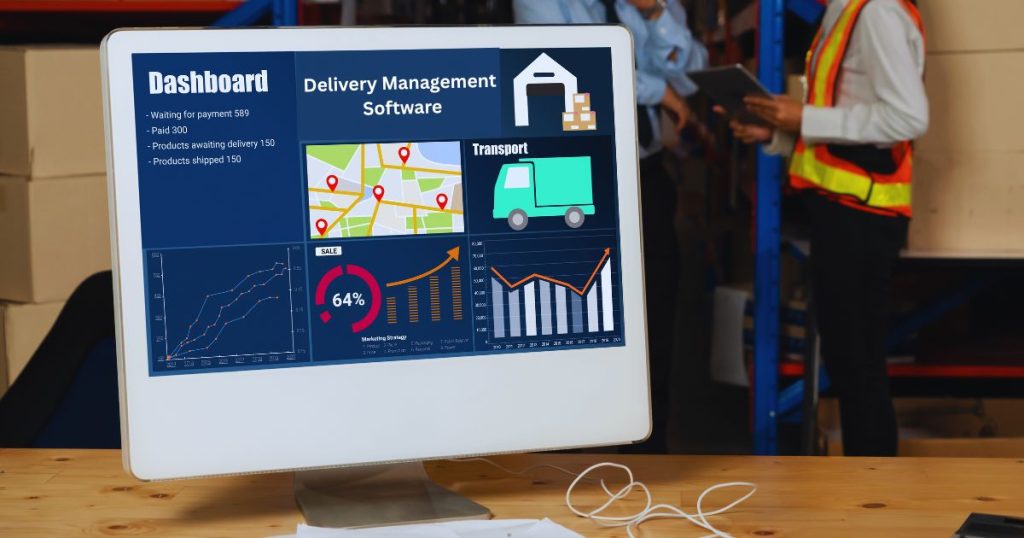
Delivery Management Software (DMS) is a digital platform designed to automate, track, and optimize the delivery of goods. Think of it as your delivery control tower — one place where you can schedule deliveries, assign drivers, plan optimal routes, communicate in real-time, and track every package from warehouse to doorstep.
It often comes with features like GPS tracking, inventory integration, electronic proof of delivery (ePOD), automated notifications, and performance analytics. Some advanced platforms even integrate with CRMs, ERPs, and accounting tools to create a seamless operational ecosystem.
Almost every business that deals with physical goods can benefit from delivery management software. Here’s a breakdown of who typically uses it:
At its core, delivery management software is a tool built to simplify and optimize the complex process of transporting goods from point A to point B. Whether it’s food, medicine, electronics, or B2B shipments, DMS ensures that each step of the journey is monitored, streamlined, and digitally managed.
The main purpose is to provide full visibility into delivery operations, reduce human error, cut unnecessary costs, and enhance the end-user experience. With the right system, businesses can automate dispatching, manage orders, track drivers in real-time, and generate actionable insights — all from one dashboard.
A robust delivery management system will typically offer:
Why should a business invest in delivery software? Here are some of the top reasons:
Customers today demand more than just “fast” delivery — they want precise, transparent, and personalized experiences. If a package is late or arrives damaged, it’s not just a delivery issue — it’s a brand reputation issue. Efficient delivery management ensures timely, intact, and clear handoffs, leading to higher Net Promoter Scores (NPS), repeat purchases, and positive word-of-mouth.
Personalization features like delivery time preferences, live tracking links, and instant feedback collection also play a huge role in elevating customer loyalty.
Fuel costs make up a significant portion of logistics expenses. Inefficient routes, vehicle idling, and delivery delays all contribute to unnecessary fuel usage. By using DMS, companies can optimize delivery routes in real-time, cut down on redundant trips, and ensure fewer returns — saving thousands in operational costs annually.
Automation also reduces the need for manual labor in dispatching, billing, and reporting, freeing up team resources for higher-value work.
When drivers are out on the road, real-time visibility is critical. If a vehicle breaks down, a customer reschedules, or a route becomes blocked, the system allows for immediate rerouting and updates. This kind of dynamic communication reduces delivery failures and ensures adaptability in a fast-moving environment.
Dispatchers can see where each driver is, how long each delivery is taking, and intervene if needed — creating a truly agile delivery system.
According to a report by Statista, 88% of consumers say real-time tracking improves their satisfaction with a brand. Furthermore, businesses that adopted DMS saw a 25% reduction in delivery times and up to 40% savings in fuel costs within the first year of implementation. These aren’t just nice-to-have improvements — they’re game-changing advantages in a competitive market.
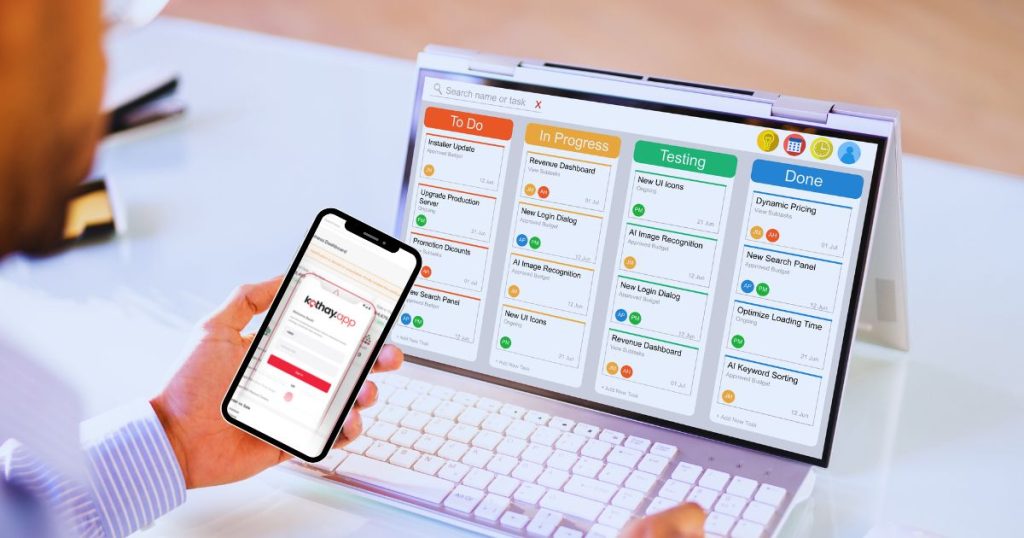
In the distribution world, managing inventory and deliveries isn’t just related — it’s inseparable. A delivery delay often traces back to an inventory issue: wrong stock levels, missing SKUs, or mislabeling. That’s why integrating your delivery system with your product management software is critical.
When inventory levels update in real-time, deliveries can be better planned, overstocking and stockouts are minimized, and customers get what they ordered — without excuses.
For distributors and wholesalers, these are must-have features in a product management system:
These features help you maintain accurate stock levels, reduce waste, and ensure timely order fulfillment — setting the stage for smoother deliveries.
Integration allows for seamless updates between product and delivery data. When an order is picked from the warehouse, the delivery system is instantly notified. If a product is unavailable, the system can alert dispatchers or customers before it becomes a problem.
Popular tools that integrate well include ERP systems like SAP, Oracle Netsuite, and even eCommerce platforms like Shopify and WooCommerce — all offering APIs or plug-ins for delivery system integration.
With the right approach, you can run a lean, agile, and profitable distribution business that meets both wholesale and retail demands with precision.
An Order Management System (OMS) acts as the command center for order processing — from purchase to final delivery. When integrated with delivery software, it becomes even more powerful, enabling businesses to track every order status in real time.
The OMS manages order entry, stock allocation, picking and packing, and finally, dispatching. Once dispatched, the delivery management system takes over, ensuring the goods reach the customer efficiently.
A good OMS automates all critical steps in the delivery lifecycle:
Automation ensures no order falls through the cracks, even during peak demand.
A streamlined OMS and DMS combo leads to fewer delays, faster resolution of complaints, and clear communication at every step. Customers appreciate knowing exactly when their order will arrive, who’s delivering it, and being able to leave feedback immediately after.
These touchpoints are critical in building trust and ensuring repeat business.
OMS should integrate smoothly with CRMs (like Salesforce, Zoho) to manage customer profiles and with accounting software (like QuickBooks or Xero) to streamline financials. This unified ecosystem helps businesses operate faster, smarter, and more profitably.
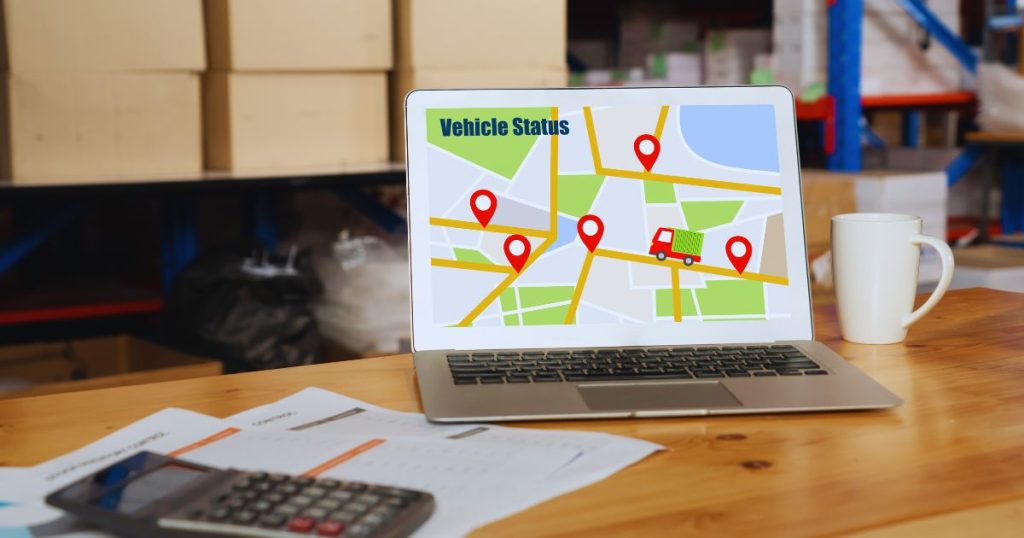
Knowing where your delivery team is at any given moment can make or break your logistics operation. Real-time location tracking allows businesses to see the exact location of each delivery agent, reducing guesswork and providing an instant overview of fleet operations. This visibility translates into quicker response times to unexpected issues like traffic jams, vehicle breakdowns, or customer unavailability.
More than just monitoring, it also fosters transparency and trust. Your operations team knows what’s happening on the ground, and your customers are kept informed with live delivery statuses. In a world where a 30-minute delay can lead to a poor review, real-time tracking is a non-negotiable feature for any modern delivery system.
Real-time tracking is typically powered by GPS technology integrated into a mobile app installed on the delivery agent’s device. Here’s how it works:
Some platforms also integrate with wearable tech or vehicle telematics systems for even more granular tracking.
Real-time location trackers are used across industries, each with specific needs:
In all these cases, real-time tracking isn’t just a backend feature — it’s a part of the user experience.
For managers:
For clients:
Many confuse tracking the driver with tracking the product — but there’s a key difference. Team tracking shows where your staff or fleet vehicles are. Product tracking ensures that the specific package is monitored from the warehouse to the customer’s hands.
With increasing theft, misplacement, and fraud in delivery chains, product-level tracking is becoming a top priority, especially for high-value goods.
One powerful benefit of product GPS tracking is Proof of Delivery (POD). Using mobile apps, IoT tags, or barcode scanning, the system records when and where a product is delivered, often with photo evidence or digital signatures. This not only confirms completion but also protects against customer disputes.
Combined with route optimization, GPS tracking ensures:
For loss prevention, if a package goes missing, you can trace its last known location — saving both time and money.
There are several tech options available for product tracking:
Modern solutions even combine multiple technologies for layered tracking — making sure no product gets lost in the shuffle.
Traditional delivery tracking relied on status updates at fixed points — like warehouse check-in or customer delivery. GPS, however, gives continuous, real-time data. Instead of waiting for status changes, you’re always in the loop.
Here’s a quick comparison:
| Feature | Traditional Tracking | GPS-Based Tracking |
| Location Accuracy | Low | High |
| Real-Time Updates | No | Yes |
| Customer Visibility | Limited | Full |
| Route Optimization | Manual | Automated |
| Proof of Delivery | Optional | Built-In |
Clearly, GPS-enabled systems are the superior choice for modern businesses looking to improve accuracy and performance.
Distribution Management System: Complete Guide

A Distribution Management System (DMS) is a comprehensive platform that helps manufacturers, wholesalers, and retailers manage the flow of goods across the supply chain. Unlike delivery software, which focuses on the last leg, DMS oversees the entire distribution process — from order placement to delivery and beyond.
It covers functions like inventory allocation, warehouse coordination, order routing, and delivery tracking, acting as the backbone of physical product movement.
A robust DMS typically includes:
Benefits include:
When a DMS integrates with your delivery management software, magic happens. Orders are automatically scheduled, inventory is updated in real time, and deliveries are dispatched with precision.
This synergy reduces miscommunication, minimizes manual entry errors, and provides a single source of truth for logistics teams.
Here’s what an end-to-end DMS workflow might look like:
This streamlined workflow helps businesses operate smarter, faster, and more profitably.
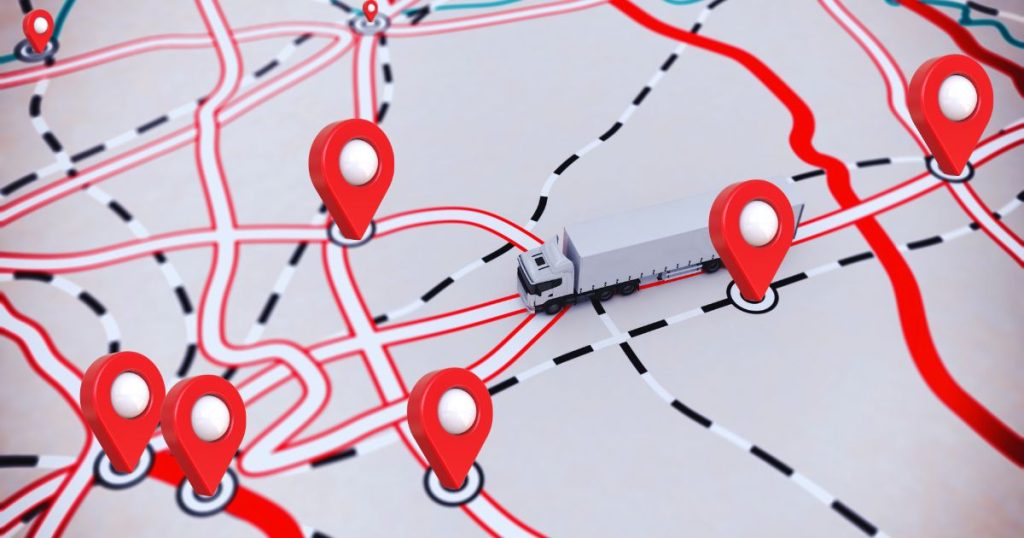
Live location tracking doesn’t just help with deliveries — it also helps you monitor your entire fleet’s performance. By analyzing real-time data from multiple drivers, managers can make informed decisions about routing, dispatching, and vehicle utilization.
For example, if two drivers are covering similar areas, route overlap can be reduced. Or if a driver consistently takes longer for deliveries, training can be arranged. It’s all about making data-driven improvements.
Top location tracker platforms come with features like:
These tools not only improve internal accountability but also boost external transparency — a win-win for logistics operations.
While GPS tracking shows you where a delivery vehicle is, live location trackers focus more on operational intelligence. They gather and analyze data continuously, providing:
It’s the difference between knowing where someone is vs. knowing how they’re performing.
Live tracking brings a layer of accountability to the field. Drivers know their actions are being monitored, which naturally discourages unproductive behavior. Customers, on the other hand, are more likely to trust your service when they can see real-time progress.
It also enables rapid resolution of issues. If a customer claims a package wasn’t delivered, the system shows exact delivery time, location, and POD — no room for ambiguity.
Efficient routing is the heart of good delivery management. The right software will use real-time traffic data, delivery priorities, vehicle capacity, and driver location to map the best possible route — reducing fuel use and increasing delivery speed.
Look for features like:
Drivers need more than a GPS — they need a smart assistant. A good DMS mobile app should offer:
Offline capabilities are a bonus, ensuring functionality in low-connectivity areas.
Electronic Proof of Delivery (ePOD) replaces paper signatures with digital confirmations. This might include:
ePOD not only speeds up the delivery process but also protects your business from false claims. Combine this with offline sync — and your drivers are ready for anything.
Keep your customers in the loop with real-time notifications via SMS or email. Let them:
This closes the feedback loop and builds lasting relationships.

When selecting delivery management software, one size doesn’t fit all. Before you commit, ask these critical questions:
These questions help you separate feature-rich, reliable platforms from glorified spreadsheets.
One major decision is choosing between cloud-based and on-premise solutions:
| Feature | Cloud-Based DMS | On-Premise DMS |
| Setup Time | Quick and easy | Requires manual installation |
| Cost Structure | Subscription-based (OPEX) | Upfront cost (CAPEX) |
| Scalability | Highly scalable | Limited by hardware |
| Maintenance | Handled by vendor | Handled in-house |
| Accessibility | Accessible anywhere | Limited to location |
Verdict: Unless you have unique security needs or legacy infrastructure, cloud-based software is more cost-effective and flexible for modern logistics.
Think about tomorrow — not just today. Can the software grow with your business? Ensure it integrates easily with your:
API support is essential. Look for solutions that offer plug-and-play integrations or custom APIs.
Delivery management software typically comes in the following pricing structures:
Also, factor in hidden costs like:
Don’t choose based on price alone. Value is in performance, automation, and support.

Delivery management software is evolving fast. AI, machine learning, and IoT are now powering smarter systems that predict delivery delays, optimize fuel usage, and learn from driver behavior. Drone and autonomous vehicle integrations are already in beta testing for certain regions.
Moreover, hyperlocal delivery ecosystems and green logistics (like EV fleets and carbon tracking) are becoming essential differentiators.
As competition grows, your ability to provide fast, transparent, and cost-effective delivery will directly affect your brand’s reputation and revenue.
Here’s a quick recap of everything you need to remember:
If you want to compete in the age of one-day delivery and five-star reviews, now is the time to digitize your delivery systems.
Still managing deliveries manually? It’s time to shift gears. With customer expectations sky-high and logistics getting more complex, the best way forward is automation and real-time visibility. Start with a free trial or demo — and watch your delivery process transform from bottleneck to competitive advantage.
Want to go deeper? Check out our related guides:
Each post is packed with real-world insights and comparison tables to help you make informed decisions.

Industries like retail, FMCG, pharmaceuticals, food delivery, eCommerce, and third-party logistics (3PLs) gain the most. Any business that ships goods regularly can streamline operations, cut costs, and boost customer satisfaction using a DMS.
Yes. Many systems support international logistics with features like customs integration, multi-currency billing, international route optimization, and language support. Ensure the software offers compliance tools for customs regulations in your target countries.
Ideally, you should use a platform that integrates all three for seamless logistics.
GPS tracking provides customers with real-time updates, accurate ETAs, and proof of delivery. This transparency builds trust, reduces WISMO (Where Is My Order) inquiries, and enhances overall satisfaction.
Yes. ePODs are recognized in most jurisdictions. They include time-stamped digital signatures, photos, and location data, which serve as legal documentation in case of disputes or audits.
For small and medium businesses in Bangladesh, managing...


Sign up now to simplify your sales operations, improve productivity, and make data-driven decisions. Choose your plan, add your team, and unlock the full potential of your sales strategy. Don’t wait – elevate your sales management game and drive success with us!
Get Started