Pourquoi les débutants font confiance à Cbe
Une plateforme sécurisée et accessible pour tous Cbet...
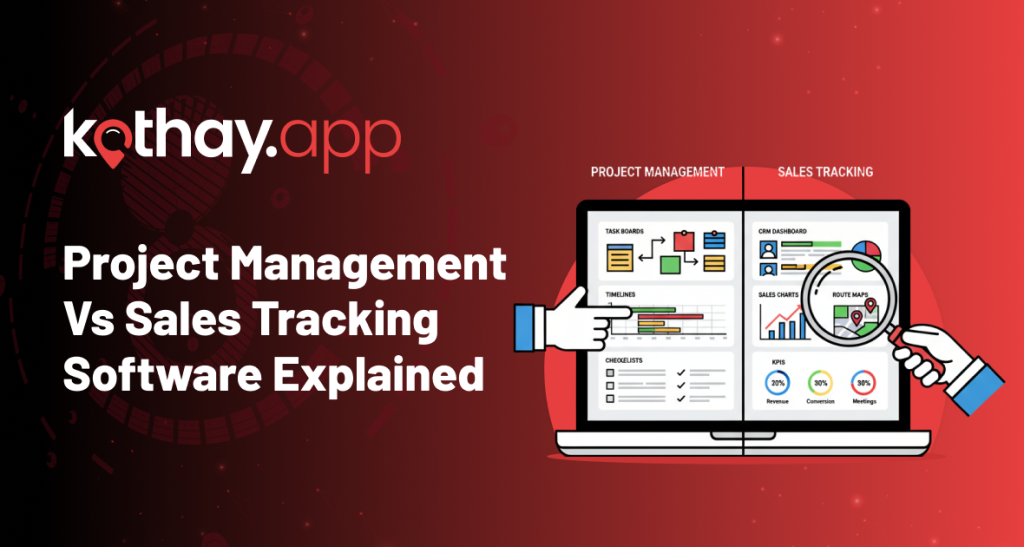
Hi there, have you ever felt confused when picking tools for your business? Many people mix up project management and sales tracking software. Both help teams work better, but they serve different goals. Project management tools handle tasks, timelines, and resources for projects. Sales tracking software focuses on leads, deals, and revenue growth. I want to clear this up for you today.
Think about your daily operations. If you manage projects, you need software that tracks progress and assigns work. For sales, you track customer interactions and close deals faster. These tools overlap in some ways, like team collaboration, but their core functions differ. Sales pipeline management software visualizes your sales flow, while project planning software maps out steps.
We will dive into details next. You might run a small business or a remote team. Choosing the right one can save time and money. Benefits of project management software include better organization. Sales tracking software for small businesses helps increase sales revenue. Let’s explore how they compare.
People often ask what project management software is. It acts as a central hub where teams plan, execute, and monitor work. This type keeps everyone on the same page with deadlines and budgets. Managers assign roles and see real-time updates. It suits various industries, from construction to marketing.
Project management software includes Gantt charts for timelines. You create tasks, set dependencies, and track milestones. Integration with calendars helps schedule meetings. Reporting tools show progress metrics.
For project management software for small businesses, it simplifies daily operations. Owners handle multiple roles without chaos. It reduces errors in task assignment. Teams stay productive even with limited staff.
Project management for remote teams shines here. Virtual boards let members update status from anywhere. File sharing ensures access to documents. Chat functions aid quick discussions.
Task management apps focus on simple lists. Project management vs task management shows the former handles complex workflows. It deals with budgets and risks, not just checklists.
Shifting focus, sales tracking software monitors your sales activities. It records customer contacts and deal stages. Sales teams use it to follow leads from start to finish. This type boosts performance by highlighting strong and weak areas.
Sales tracking app provides dashboards for quick views. You log calls, emails, and meetings. Automation sends reminders for follow-ups. Analytics predict trends in sales data.
Sales tracking software for small businesses fits tight budgets. It tracks inventory and customer preferences. Owners gain insights without hiring extra help. It streamlines quotes and invoices.
Lead tracking software sorts prospects by potential. You score leads based on interactions. Prioritization helps focus on high-value opportunities. Integration with email speeds responses.
Sales pipeline visualization turns data into charts. You see bottlenecks in the process. Adjusting stages improves flow. Teams spot patterns in wins and losses.
Improve sales productivity with built-in tools. Set goals and track achievements. Notifications alert for urgent tasks. Sharing notes prevents duplicate efforts.
Now, let’s break down the gap. Project management tools emphasize completion of initiatives with fixed ends. Sales tracking centers on ongoing revenue cycles. One deals with internal processes, the other with external clients.
Project management software targets timelines and resources. Sales management software aims at customer relationships and deals. Projects have start and end dates. Sales involve continuous nurturing.
Team collaboration tools in project software include shared workspaces. Sales tools offer contact sharing and activity logs. Projects need version control for files. Sales require quick access to history.
Sales analytics software provides revenue forecasts. Project tools offer budget reports. Sales data tracks conversion rates. Project metrics measure efficiency.
Sales automation tools handle email sequences. Project software automates task assignments. Sales focuses on lead qualification. Projects automate approvals.
Enterprise sales software supports large teams with complex needs. Project tools scale for big initiatives. Sales handles volume in contacts. Projects manage scope in work.
Consider your needs first. If your work involves delivering specific outcomes, go for project management. It organizes steps and ensures quality. Teams avoid missing deadlines with clear plans.
Business management solutions like these fit software development. Developers track bugs and releases. Marketing campaigns use them for content calendars. Event planning benefits from checklists.
Project planning software outlines phases. You allocate hours and materials. Risk assessment prevents issues. Adjustments keep things on track.
It promotes accountability. Members see their contributions. Feedback loops improve results. Integration with other apps adds value.
Benefits of project management software show in completed goals. Reduced costs come from efficient use. Satisfied stakeholders build trust. Growth follows from repeatable processes.
On the flip side, if revenue drives your focus, select sales tracking. It keeps tabs on opportunities and performance. You close more deals with organized data.
Field sales tracking software aids mobile reps. They update from the road. Retail uses it for inventory sales. Services track client contracts.
Sales workflow management standardizes steps. From lead to close, processes flow smoothly. Customization fits your style. Efficiency rises with less manual work.
Sales reporting tools generate summaries. You review weekly metrics. Sales monitoring software alerts for drops. Adjustments maintain momentum.
Increase sales revenue through targeted efforts. Identify top performers. Train on weak spots. Rewards motivate the team.
Sales performance software evaluates individuals. Goals align with company aims. Coaching improves skills. Results show in numbers.
Sometimes, you need both types. Combining them covers all bases. Projects benefit from sales insights. Sales gain from structured execution.
Many platforms offer integrations. Data flows between systems. Updates sync automatically. Teams access one view.
You get full visibility. Decisions based on complete info. Efficiency doubles with less switching. Growth accelerates.
Setup takes time. Training ensures adoption. Costs add up. Choose compatible options.
Small firms use one for projects and another for sales. Larger ones build custom links. Success stories show gains.
Tools evolve with AI. Predictions get smarter. Automation expands. Stay updated for advantages.
Diving deeper, project management tools comparison reveals strengths. Some excel in visuals, others in reports. Sales options vary in user-friendliness.
Asana handles tasks well. Trello uses boards for simplicity. Microsoft Project suits enterprises. Each has unique perks.
Pipedrive visualizes pipelines. HubSpot offers free starts. Salesforce scales big. Features match needs.
Free versions exist for basics. Paid plans add advanced items. Compare value for money.
Reviews highlight ease. Support quality matters. Updates keep them fresh.
Tailor dashboards to fit. Add fields as needed. Flexibility aids growth.
Remote work changes things. Tools must support distributed access. Security becomes key.
Cloud-based options allow logins from anywhere. Notifications keep connected. Video links integrate.
Mobile apps track on the go. GPS logs visits. Offline mode syncs later.
Shared screens aid discussions. Real-time edits prevent lags. Trust builds with transparency.
Set clear expectations. Use time zones wisely. Regular check-ins maintain rhythm.
Cultural differences need attention. Tools bridge gaps. Success relies on commitment.
For small setups, simplicity rules. Avoid overkill features. Focus on core needs.
Affordable plans suit starters. Easy setups save time. Growth paths allow scaling.
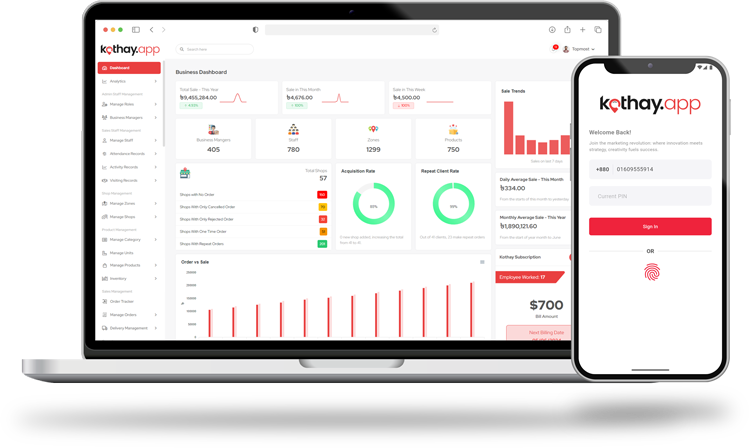
Kothay stands out as the best salesman tracking software in Bangladesh. It tracks leads and deals efficiently. Local support helps users there.
Start free, upgrade later. Track ROI closely. Invest in training.
Use data for decisions. Expand teams smoothly. Adapt to changes.
Ignore user input at peril. Overcomplicate processes. Stick to basics first.
As you grow, look for extras. AI assists in predictions. Integrations expand reach.
Resource forecasting plans ahead. Portfolio views manage multiples. Compliance tools ensure standards.
Lead management software qualifies automatically. Scoring ranks prospects. Nurturing sequences engage.
Sales analytics software dives deep. Trends over time inform strategies. Custom reports highlight specifics.
Sales automation tools save hours. Triggers handle routines. Focus shifts to strategy.
Enterprise sales software handles volumes. Security features protect data. Global access supports branches.
Decide based on goals. Assess current pains. Test trials.
List must-haves. Compare options. Gather team feedback.
Roll out in phases. Train thoroughly. Monitor adoption.
Track key metrics. Adjust as needed. Celebrate wins.
Tools evolve. Stay informed. Upgrade when ready.
Forums offer tips. Webinars teach best practices. Networks share experiences.
Project management software plans and tracks tasks for specific goals. Sales tracking software monitors leads and deals to drive revenue. They differ in focus, with one on internal work and the other on customer interactions.
Yes, small businesses benefit from both. Project management handles operations, while sales tracking boosts income. Start with basics and integrate for full efficiency.
It visualizes deal stages and spots issues. Teams prioritize actions and forecast outcomes. This leads to faster closure and higher productivity.
It enables real-time updates and file sharing. Members collaborate from anywhere. This keeps projects on schedule despite distances.
No, task management deals with individual items. Project management oversees entire initiatives with multiple tasks. The latter includes budgeting and timelines.
We covered a lot today on these tools. You now see how project management and sales tracking differ. Each plays a vital role in business success. For sales needs, consider Kothay in Bangladesh. It excels in tracking and reporting. Choose wisely to fit your setup. Your team will thank you for clearer processes. Keep exploring options as your business grows.
Une plateforme sécurisée et accessible pour tous Cbet...
Qu’est-ce qui distingue Magical Spin dans l’univers...

Sign up now to simplify your sales operations, improve productivity, and make data-driven decisions. Choose your plan, add your team, and unlock the full potential of your sales strategy. Don’t wait – elevate your sales management game and drive success with us!
Get Started