Unlimited Shops, Orders, and Visits – A Com
Managing field sales operations in Bangladesh is becomi...

Sales rep performance metrics are the backbone of a successful sales team. These numbers show how well your reps hit targets, close deals, and drive revenue. Without them, you’re flying blind, unable to pinpoint what’s working or where improvement is needed.
The solution lies in tracking the right metrics and using them to guide your team. Tools like Kothay.app help you monitor data in real-time, while clear goals and coaching turn insights into action. This approach ensures your reps stay focused and your business grows.
This article covers key performance indicators, evaluation techniques, and ways to boost results. You’ll find practical steps to measure performance, motivate top reps, and support those falling behind. Let’s dive in and build a high-performing team for 2026.
Let’s talk about why tracking performance metrics is a game-changer. Numbers show you what’s working and what’s not. They help you spot top performers and identify reps who need support. Without clear metrics, you’re guessing, and that’s no way to run a sales team.
Sales performance metrics are specific data points that measure how well your reps meet goals. These include quota attainment, win rate, and average deal size. They provide a snapshot of individual and team success, guiding your strategy.
Your metrics should tie directly to your company’s objectives. If you aim to grow revenue, focus on sales per rep. Want to improve customer retention? Track churn rates. Clear goals make metrics meaningful and keep everyone on the same page.
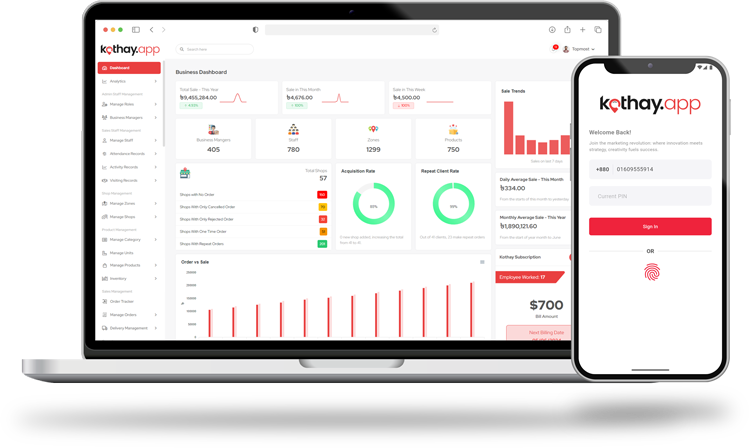
Metrics create accountability. When reps know their calls, emails, or closed deals are tracked, they stay focused. Tools like Kothay.app offer real-time dashboards to monitor these activities, making it easy to see who’s hitting targets and who needs coaching.

Let’s explore the must-have KPIs for your sales team. These indicators measure specific actions that lead to success. They’re not just numbers; they’re tools to help you coach reps and improve performance.
Quota attainment shows what percentage of a target your reps hit. Divide total sales by the assigned quota and multiply by 100. A rep with a $100,000 quota who closes $80,000 has an 80% attainment rate. This metric highlights individual performance clearly.
Win rate measures how often reps close deals. Divide closed-won deals by total opportunities and multiply by 100. A high win rate shows effective selling skills, while a low rate may signal a need for better training or lead qualification.
Average deal size tracks the typical revenue per sale. Divide total sales by the number of deals closed. Larger deals often mean reps are targeting high-value clients. Monitor this to encourage upsells and cross-sells for bigger wins.
Sales cycle length measures how long it takes to close a deal. Calculate the average time from initial contact to signed contract. Shorter cycles often indicate efficient processes, while longer ones may point to bottlenecks needing attention.
Now, let’s get practical. Measuring performance isn’t just about collecting data; it’s about using it wisely. You need systems to track metrics and turn numbers into action plans that drive results.
A sales rep performance dashboard gives you a clear view of key metrics. Platforms like Kothay.app let you customize reports for quotas, win rates, and more. Real-time data helps you spot trends and act fast to keep your team on track.
Activity metrics, like calls made or emails sent, show how hard reps work. Compare these to outcomes like deals closed. If a rep makes 100 calls but closes no deals, their approach might need tweaking. Focus on quality over quantity.
Conversion rates reveal how well reps move leads through the funnel. Calculate the percentage of leads that become customers. Low rates at any stage suggest issues, like poor lead quality or weak follow-ups, that you can address with training.
Customer retention rate shows how many clients stay with you. Divide the number of retained customers by the total at the start of a period. High retention reflects strong relationships, while high churn signals problems in service or product fit.

You’ve got the metrics, but how do you boost performance? Improving results takes coaching, clear goals, and the right tools. Let’s break down actionable steps to help your reps shine.
Clear goals give reps direction. Set specific targets, like closing 10 deals a month or increasing win rate by 5%. Make goals achievable but challenging. Regularly review progress to keep motivation high and ensure alignment with company objectives.
Training sharpens skills. Offer workshops on objection handling or product knowledge. Use call recordings to show reps what works. Consistent coaching helps reps improve weak areas, like closing deals or qualifying leads, boosting overall performance.
A sales rep performance review template structures feedback. Include metrics like quota attainment and win rate. Discuss strengths, like strong client relationships, and areas for growth, like faster lead response times. Keep reviews constructive to motivate reps.
If a rep struggles, a sales rep performance improvement plan helps. Set specific goals, like increasing calls by 20%. Provide extra coaching and monitor progress weekly. This plan shows you care about their success and gives clear steps to improve.

Evaluating reps goes beyond numbers. You need a balanced approach to understand their strengths and weaknesses. Let’s look at how to assess performance fairly and effectively.
A sales rep performance scorecard combines multiple metrics, like sales per rep and customer retention. Assign weights to each metric based on importance. This gives a clear, holistic view of performance, making it easier to compare reps fairly.
Numbers don’t tell the whole story. Ask clients about their experiences with reps. Are they responsive? Do they build trust? Qualitative feedback highlights soft skills that metrics miss, helping you coach reps to improve customer interactions.
Track metrics over months or quarters to spot trends. Is a rep’s win rate improving? Are their sales cycles shorter? Comparing performance over time shows progress and helps you set realistic goals for future growth.
CRM systems and analytics tools simplify evaluation. They track calls, emails, and deals automatically. Use these to generate reports and identify patterns. Technology saves time and ensures your evaluations are data-driven and accurate.

Your top performers drive results, but how do you keep them motivated? Recognizing their efforts and setting new challenges keeps them engaged. Here’s how to do it.
Celebrate wins, big or small. Acknowledge reps who hit quotas or close high-value deals. Public recognition, like a leaderboard, sparks healthy competition. Small rewards, like gift cards, also boost morale and show you value their hard work.
A strong compensation structure for best-performing sales reps motivates them. Tie bonuses to metrics like average deal size or win rate. Fair rewards encourage reps to push harder and attract top talent to your team.
Challenge top reps with stretch goals, like increasing their quota by 10%. These goals keep them engaged without overwhelming them. Pair goals with clear incentives to maintain their drive and commitment to excellence.
A supportive culture boosts performance. Encourage teamwork and knowledge-sharing. Host team events or training sessions to build camaraderie. A positive environment makes reps feel valued, increasing their motivation to perform.

Not every rep hits their targets. When someone falls behind, you need a plan to help them improve. Let’s explore how to support struggling reps effectively.
Look at metrics to find why a rep struggles. Are their calls not converting? Is their sales cycle too long? Dig deeper with one-on-one talks to uncover issues like lack of confidence or poor product knowledge.
Tailor coaching to the rep’s needs. If they struggle with closing, role-play scenarios to build skills. If lead response time is slow, teach time management. Targeted coaching addresses specific weaknesses and drives measurable improvement.
A sample performance improvement plan for sales rep includes clear targets, like increasing win rate by 5% in 30 days. Schedule weekly check-ins to track progress. Provide resources, like training materials, to help them succeed.
Sometimes, a rep doesn’t improve despite support. If metrics show no progress after a fair period, consider reassigning or letting them go. Tough decisions ensure your team stays strong and focused on goals.

Long-term tracking reveals patterns that short-term data misses. You can see if reps improve or if issues persist. Here’s how to monitor performance consistently.
Historical data shows trends, like whether a rep’s sales per rep metric grows yearly. Compare past quarters to spot improvements or declines. This helps you set realistic goals and plan for future success.
Benchmarks give context to metrics. Compare your reps’ win rates to industry standards or past performance. Benchmarks show where your team stands and highlight areas for improvement, keeping goals grounded in reality.
If data shows longer sales cycles, rethink your process. Maybe reps need better lead qualification training. Use trends to adjust strategies, ensuring your team stays agile and aligned with market demands.
Combine pipeline value and conversion rates to predict sales. If your pipeline is $2 million with a 20% win rate, expect $400,000 in revenue. Accurate forecasts help you plan resources and set achievable targets.
The right tools make tracking metrics easy. You don’t need to drown in spreadsheets. Let’s look at how technology simplifies performance monitoring.
CRMs like Salesforce or HubSpot track calls, deals, and more. They generate reports on quota attainment or sales cycle length. Use these to monitor reps and make data-driven decisions without manual work.
Real-time dashboards show live data on metrics like win rate or lead response time. Platforms like Kothay.app provide customizable views, helping you spot issues instantly and act before they impact results.
Call analytics tools track talk time and conversation quality. If a rep’s calls are too short, they may need pitch training. These tools give insights into how reps engage prospects, improving their approach.

Software like Performio builds dashboards for multiple metrics. Track sales per rep, churn rate, and more in one place. This saves time and ensures you have all the data you need to coach effectively.
When a rep struggles, you can turn things around with the right approach. Support and clear guidance help them regain confidence. Here’s how to do it.
Give specific feedback based on metrics. If a rep’s win rate is low, highlight where deals stall. Offer actionable tips, like improving follow-ups, to help them improve without feeling discouraged.
Short-term goals build momentum. Ask a struggling rep to increase calls by 10% this week. Small wins boost confidence and show progress, setting them up for long-term success.
Pair a struggling rep with a top performer. Mentors share strategies, like effective pitches or time management tips. This hands-on guidance helps reps learn from real-world success and improve faster.
Recognize small improvements, like a rep increasing their lead response time. Acknowledging progress keeps them motivated. Even small steps forward build confidence and drive better performance over time.
What are the top KPIs for sales reps?
Quota attainment, win rate, average deal size, and sales cycle length are key. They measure individual success and align with business goals effectively.
How do I create a sales rep performance review template?
Include metrics like sales per rep and customer retention. Add sections for strengths, weaknesses, and goals to guide constructive feedback.
How can I improve a sales rep’s performance?
Offer targeted coaching, set clear goals, and use data from metrics like conversion rates to identify and address specific weaknesses.
What tools help track sales rep performance?
CRMs, real-time dashboards like Kothay.app, and call analytics tools track metrics efficiently, providing actionable insights for improvement.
How do I evaluate a sales rep’s performance over time?
Compare historical data on win rate and sales cycle length. Use trends to assess progress and adjust strategies accordingly.
You’ve got the tools to transform your sales team. By focusing on key performance indicators for sales reps, like quota attainment and win rate, you can track progress and drive results. Use dashboards to monitor metrics in real-time and guide your reps with clear goals. Support struggling reps with coaching and improvement plans while rewarding top performers. Don’t let guesswork hold you back—start tracking sales rep performance metrics now. Visit Kothay App to build your performance dashboard and watch your team crush their targets in 2026!

Managing field sales operations in Bangladesh is becomi...

Best Sales performance tracking techniques or plans are...

Sign up now to simplify your sales operations, improve productivity, and make data-driven decisions. Choose your plan, add your team, and unlock the full potential of your sales strategy. Don’t wait – elevate your sales management game and drive success with us!
Get Started